RismadarVoice Reporters
September 8, 2026
Indonesia has reopened five airports, including Jakarta’s main international airport, after authorities cleared volcanic ash from Mount Anak Krakatau that forced the suspension of thousands of flights and disrupted travel for hundreds of thousands of passengers.
The airports resumed operations on Tuesday after emergency teams removed ash deposits from runways and other critical facilities affected by the volcanic eruption.
The disruption affected more than 340,000 travellers and resulted in the cancellation or delay of about 2,900 flights, according to authorities.

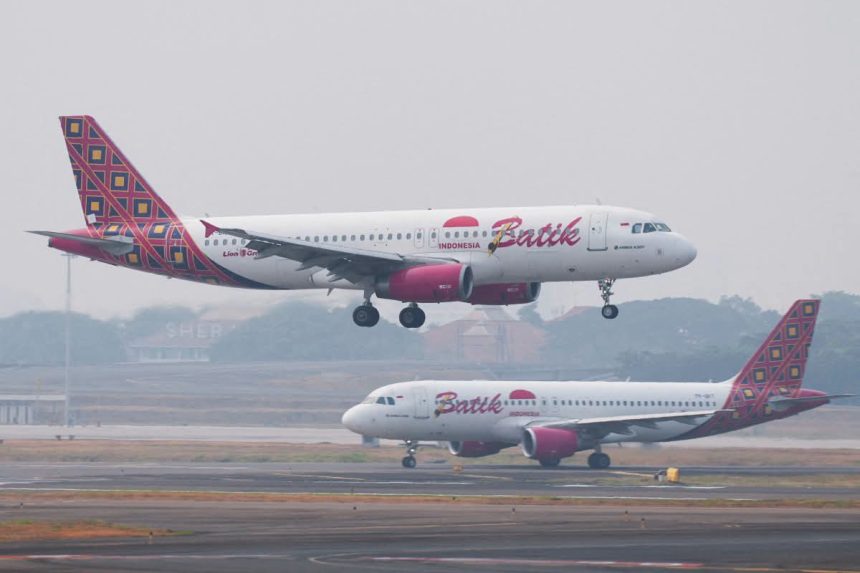
Footage released by Soekarno-Hatta International Airport in Jakarta showed firefighters and emergency crews using equipment to clear volcanic ash from airport facilities and runways before flight operations restarted.
Indonesia’s Transport Minister Dudy Purwagandhi said flight schedules would gradually return to normal as airlines and authorities conduct safety inspections on aircraft and airport infrastructure.
“We ask for a little patience from passengers and the public, as we will be carrying out inspections to ensure that these aircraft are fit to fly,” the minister told reporters.
He added that the first aircraft to depart after the reopening was a cargo plane, noting that passenger flights would resume after further safety checks.
Mount Anak Krakatau, located in the Sunda Strait between Java and Sumatra islands, recorded multiple eruptions on Tuesday morning, according to Lana Saria, head of Indonesia’s Geological Agency.

Saria said the latest eruptions were less severe than previous activity but added that authorities would continue monitoring the volcano.
Anak Krakatau is among Indonesia’s approximately 130 active volcanoes and sits along the Pacific Ring of Fire, a region known for frequent earthquakes and volcanic activity.
The volcano gained global attention in 2018 after an eruption caused part of its crater to collapse, triggering a tsunami that struck coastal areas of Java and Sumatra and killed more than 400 people.