


RismadarVoice Reporters
4 September 2026
Four Lebanese citizens detained by Israel have been released and transferred to Lebanon through a handover facilitated by the International Committee of the Red Cross (ICRC), a day after the release of another Lebanese prisoner.
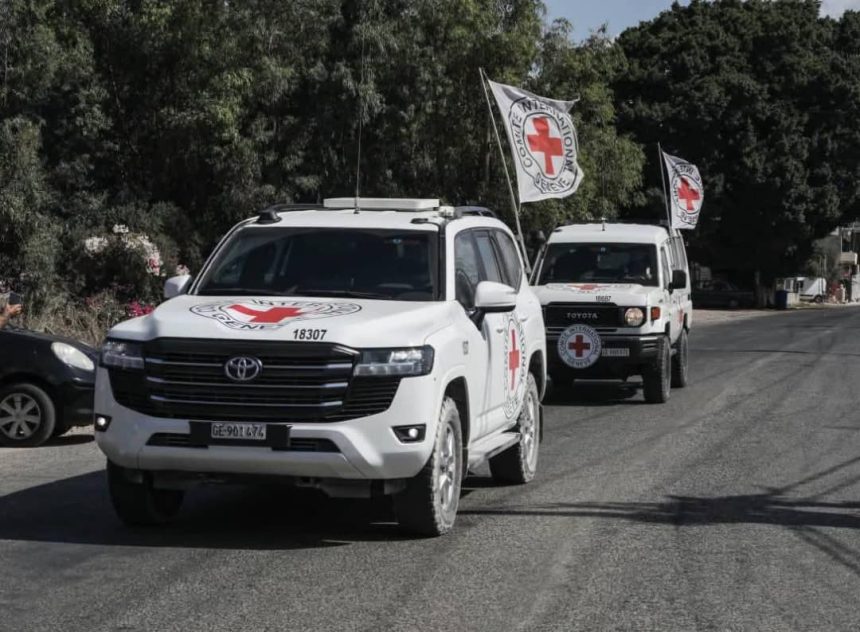
The ICRC confirmed that, at the request of the parties involved, it facilitated the transfer of five individuals released from Israeli detention to Lebanon.
Lebanese President Joseph Aoun welcomed the release and thanked the United States, President Donald Trump and international organisations, particularly the ICRC, for their role in facilitating the process.

The handover took place as part of ongoing efforts involving Beirut and Tel Aviv, with the United States mediating talks aimed at reducing tensions between the two countries.
Reports said ICRC vehicles were seen travelling towards the Naqoura border crossing in southern Lebanon before returning to Lebanon and entering a Lebanese army facility in Tyre.
The release follows a commitment by Israeli Prime Minister Benjamin Netanyahu to free five Lebanese prisoners. The first prisoner released was identified as Malek Ghazi, marking the first such transfer since the latest Israel-Hezbollah conflict began.
Among those released were Hussein Ayash from the village of Harouf and Mohammed Juheir, a fisherman from the border town of Naqoura, according to reports.

The ICRC said many Lebanese families were still seeking information about relatives believed to be detained, missing or otherwise unaccounted for. The organisation also called for access to remaining detainees held in Israeli prisons.
The prisoner release comes amid wider diplomatic efforts to address tensions between Israel and Lebanon following months of conflict involving Israeli forces and Hezbollah. Both countries have been engaged in talks under a US-backed framework agreement aimed at addressing security concerns and restoring stability along the border.