RismadarVoice Reporters
September 6, 2026
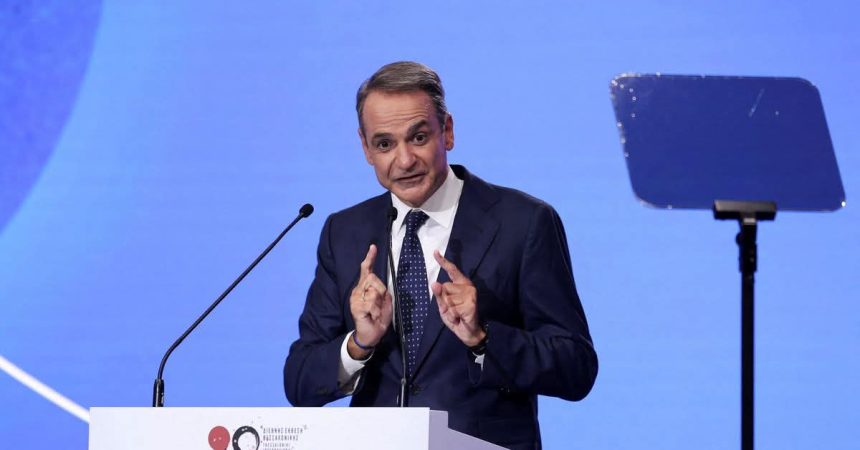
Greek Prime Minister Kyriakos Mitsotakis has ruled out the possibility of an early election, saying the country’s next general election will be held as scheduled in spring 2027.
Mitsotakis clarified on Sunday, a day after unveiling a €3.5 billion economic package featuring tax reductions, financial support measures and wage increases aimed at improving household incomes.
The centre-right leader said his government remained focused on completing its mandate and expressed confidence that his party could secure another outright majority in the next election.

The announcement comes as Mitsotakis and his New Democracy party face declining public support amid continued concerns over the cost-of-living crisis and allegations of corruption.
The party won the 2023 election with 40.5 per cent of the vote, but recent opinion polls show its support has fallen below 30 per cent.
Speaking during a press briefing, Mitsotakis said, “Elections will be held in spring 2027,” dismissing speculation that voters could be called to the polls earlier.
The economic measures announced at the International Fair of Thessaloniki include annual bonuses of €400 for pensioners and €500 for public servants, as well as tax relief for farmers, families with three children and self-employed workers.
The government also introduced a zero income tax rate for annual earnings of up to €20,000 for farmers and large families, while promising to gradually reduce advance tax payments for businesses and self-employed individuals to 50 per cent.
Mitsotakis said the measures would be implemented over the next four years and were designed to boost incomes, reduce unemployment to six per cent and lower public debt below 110 per cent of gross domestic product by 2030.

Greece, which experienced a severe financial crisis beginning in 2009, has in recent years recorded stronger economic growth compared with the wider eurozone. The country’s economy is currently expanding at an annual rate of about two per cent.
The government expects a primary budget surplus of around four per cent this year, providing room for additional spending on social and economic programmes.
Despite the new measures, the administration continues to face pressure from opposition parties and citizens over rising living costs and governance concerns ahead of the 2027 election.