RismadarVoice Reporters
September 24, 2026
Energy industry stakeholders have called for increased access to capital, expanded gas infrastructure and stronger investor confidence to boost Nigeria’s oil and gas production and support the Federal Government’s three-million-barrel-per-day crude target by 2030.
The stakeholders, comprising oil and gas operators, service providers and legal experts, said funding constraints, inadequate pipelines and gaps in technical capacity could limit production growth unless addressed through sustained investment and policy support.
They spoke at the Nigeria Energy Leaders Summit 2026 in Lagos, organised by business intelligence company The Energy Year.
Chairman of the Petroleum Technology Association of Nigeria and Chief Executive Officer of Geoplex Drillteq, Wole Ogunsanya, identified financing as a major challenge facing indigenous companies that recently acquired oil and gas assets from international oil companies.
He also cited shortages of drilling equipment, particularly rigs required for swamp, shallow-water and deepwater operations.

Ogunsanya said companies including Seplat Energy and Renaissance Africa Energy would require significant capital to increase production from assets acquired from ExxonMobil and Shell, respectively.
He said Renaissance had increased its rig count from nine to 23 as part of efforts to develop its assets, but noted that financing continued expansion would require substantial resources.
According to him, Seplat’s London listing could provide comparatively stronger access to international capital markets.
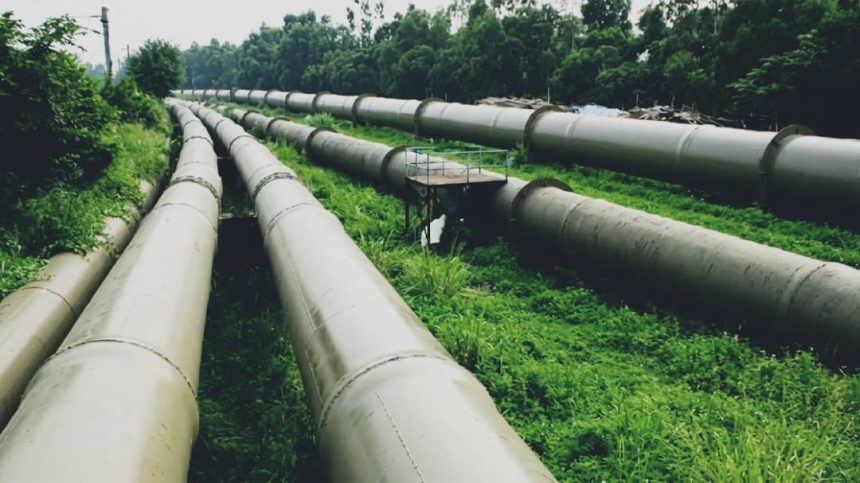
Ogunsanya also called for more investment in drilling rigs ahead of anticipated offshore projects and identified inadequate pipeline infrastructure as a major constraint to increasing gas production.
He urged the government to introduce incentives for non-associated gas development and policies encouraging oil producers to expand gas production alongside crude output.
The PETAN chairman also stressed the need to strengthen Nigeria’s credibility as an investment destination to attract the capital required for energy development.
Chief Operating Officer of Transoceanic Energy Group, Muazu Magaji, said securing financing for the company’s $2.5 billion floating liquefied natural gas project had been a significant challenge.
Magaji said raising large amounts of capital for Nigerian projects remained difficult, forcing some indigenous businesses to rely heavily on their balance sheets to finance investments.
He also identified technical capacity and coordination of local expertise as challenges but maintained that Nigeria possessed the human resources required to execute major energy projects.
Technical Director of Navante Oil & Gas, Emeka Onwochei, identified inadequate gas distribution infrastructure and limited domestic capacity for specialised services, including precision fabrication and Christmas tree servicing, as constraints facing operators.

He said gaps in local capacity had forced some companies to seek specialised services outside Nigeria, including in Angola.
Onwochei called for deliberate investment in pipelines and related infrastructure to expand Nigeria’s domestic gas market.
Partner at Dentons ACAS-Law, Josephine Udonsak, meanwhile, advocated stronger collaboration among operators, service companies, regulators and government.
Udonsak said such partnerships could reduce project risks, strengthen investor confidence and improve companies’ ability to secure financing for gas and other energy developments.
The stakeholders maintained that sustained capital investment, infrastructure expansion and supportive policies would be crucial to unlocking Nigeria’s oil and gas production potential.