RismadarVoice Reporters
September 4, 2026
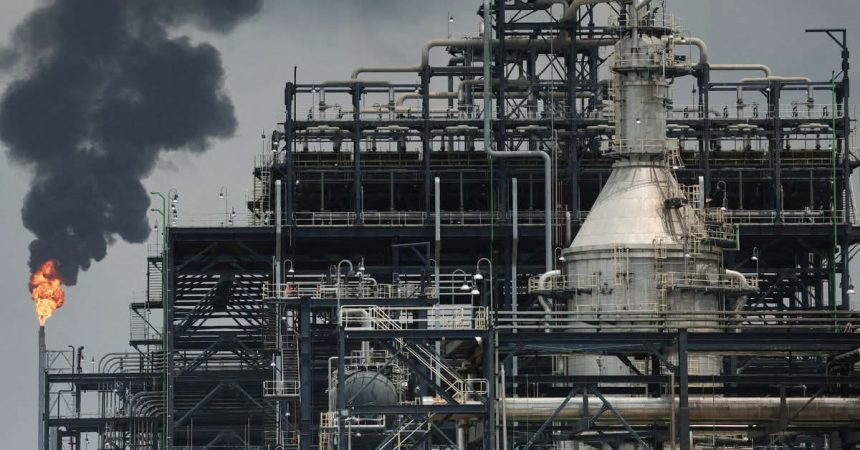
The initial public offering (IPO) of Nigeria’s Dangote Petroleum Refinery is expected to open within the next 10 to 12 days, owner Aliko Dangote has announced.
Dangote disclosed the timeline while speaking with investors and analysts during a visit to Botswana, saying the company’s long-term goal was to expand the refinery’s capacity from its current level to 1.4 million barrels per day.
“So we dream that we want to make sure we double the capacity of the refinery, which will take us to 1.4 million barrels per day. The IPO will open in the next 10 to 12 days,” Dangote said.

The refinery, located in Lagos and owned by Africa’s richest businessman, is expected to seek about $5 billion through the share offering, which could become the largest IPO in Africa’s history.
The facility, with an installed capacity of 650,000 barrels per day, reached full production capacity in February and has previously tested output levels of about 700,000 barrels per day.
Dangote also disclosed plans for a secondary listing of Dangote Cement Plc on the London Stock Exchange, which he said would likely take place in October. The move is expected to expand the company’s access to international investors and capital markets.
Beyond Nigeria, Dangote said the group was preparing to develop a new refinery project on Kenya’s coast in partnership with East African governments. The project, expected to take up to three years to complete, is designed to supply refined petroleum products to Kenya and neighbouring countries.

He said the Kenyan refinery project would be launched on September 30 and would represent the group’s largest refining investment outside Nigeria.
The Dangote Refinery has attracted global attention as Nigeria seeks to reduce dependence on imported petroleum products and strengthen domestic refining capacity. The facility is expected to play a major role in regional fuel supply as production expands.