



RismadarVoice Reporters
September 4, 2026
The ongoing conflict between the United States and Iran could become a major factor in the November 3 US midterm elections, as the administration of President Donald Trump faces pressure to prevent further escalation while maintaining economic and military pressure on Tehran.
Analysts say rising fuel prices, inflation concerns and public opposition to the conflict could affect Republican efforts to retain narrow majorities in both chambers of Congress.
The conflict intensified after the United States and Israel launched attacks on Iran on February 28, with both sides exchanging further strikes in recent weeks. However, senior US officials have indicated efforts to avoid a return to a wider war before the elections.

The Trump administration has shifted focus towards economic measures, including sanctions targeting entities accused of supporting Iran’s oil revenues, while continuing military pressure around the Strait of Hormuz.
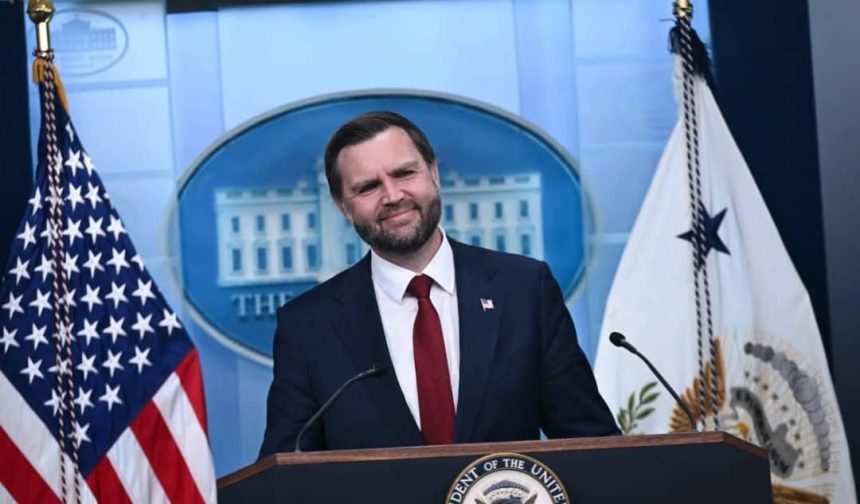
US Vice President JD Vance has sought to downplay the scale of the conflict, saying the situation does not represent an active war and that the impact on global energy markets has reduced. However, US forces have continued operations against Iran, and officials have maintained that further military options remain available.
A Reuters/Ipsos poll in late August showed that 31 per cent of Americans supported the war, while 63 per cent opposed it. The poll also indicated a decline in Trump’s approval rating following the outbreak of hostilities.
The economic impact of the conflict has become a major concern for US voters, with higher crude oil prices, transport costs and inflation affecting household expenses. US diesel prices reportedly reached record levels, increasing pressure on an administration that campaigned on reducing energy costs.
Analysts say Washington faces a difficult balance between applying pressure on Iran and avoiding a larger conflict that could create political challenges before the midterm elections.
Iran, meanwhile, has continued to use military pressure and asymmetric tactics, including drone operations and threats affecting shipping routes in the Gulf region. Experts warn that further attacks on military targets, energy infrastructure or commercial shipping could trigger a broader confrontation.

Some analysts believe Iran may calculate that escalation before the elections could increase pressure on the Trump administration, while others warn that a wider conflict could produce unpredictable consequences for both sides.
Reports indicate that senior US officials are considering possible military options after the November vote, although no decision has been made on whether to expand operations.
The outcome of the midterm elections could shape Washington’s future approach. A Republican victory may provide Trump with greater political room to pursue tougher measures against Iran, while a Republican defeat could limit the administration’s ability to secure funding and policy support for military operations.
Analysts say the coming weeks will be critical as both Washington and Tehran weigh domestic political pressures against the risks of further escalation.