


RismadarVoice Reporters
September 14, 2026
Diesel prices in the United States have climbed to a new all-time high as global oil prices surged following the shutdown of a key Saudi Arabian pipeline and growing uncertainty over the Strait of Hormuz.
Brent crude rose to as high as $108 per barrel on Monday, while US crude reached about $103, as investors reacted to disruptions affecting major energy supply routes.
Saudi Arabia’s Energy Ministry said the East-West Pipeline was shut down on Friday as a precautionary measure following attacks. The ministry did not provide a timeline for when operations would resume.

The development came amid heightened tensions around the Bab el-Mandeb Strait, where Iran-backed Houthi rebels in Yemen have expanded their influence, further threatening an important route for global energy shipments.
Investor concerns were compounded by the postponement of planned discussions between Iran and Gulf countries over the future of the Strait of Hormuz.
The meeting, originally scheduled for Monday, was delayed on Sunday in what Oman’s foreign minister described as an effort to build consensus. Tehran said the postponement was made at Riyadh’s request.
Shipping traffic through Hormuz has remained far below normal levels. Data from MarineTraffic showed that only 14 vessels crossed the strategic waterway on Sunday, compared with 12 on Saturday, 11 on Friday and nine on Thursday.
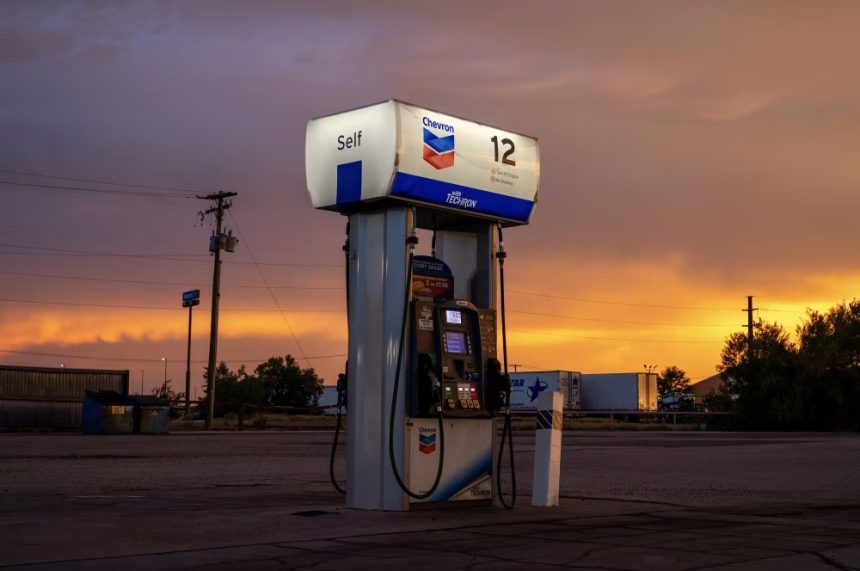
The disruption has also pushed up petrol prices in the US, with the national average for regular unleaded rising to $4.31 per gallon on Monday, according to AAA. The figure represents an increase of more than 45 per cent since the war with Iran began.
Diesel prices have risen even more sharply. AAA put the US national average at $6.23 per gallon on Monday, setting a fresh record.

Economists have warned that sustained increases in diesel costs could feed into prices across the wider economy because the fuel is heavily used by trucks, ships, trains and other forms of commercial transportation.
KPMG chief economist Diane Swonk said the impact of higher diesel prices extends across virtually every sector of the economy, with increased transportation costs eventually passed on to consumers.
Swonk warned that elevated diesel prices could remain an inflationary pressure for months.
The global diesel squeeze has also been worsened by disruptions linked to the Russia-Ukraine war.
President Donald Trump on Sunday called on Ukrainian President Volodymyr Zelenskyy to stop attacks on Russian oil refineries and diesel facilities, arguing that the strikes were contributing to a global fuel shortage.
Trump said Ukraine could continue targeting other military-related sites but should avoid Russian diesel infrastructure because of its impact on global fuel supplies.

Analysts at ING said Ukrainian attacks on Russian refineries had contributed to Moscow’s decision to restrict diesel exports, tightening an already constrained international market. Russia’s current export restrictions are scheduled to expire at the end of September, although analysts warned they could be extended.
US diesel prices have risen about 30 per cent since late June, when they fell to roughly $4.77 per gallon, while prices have climbed about 75 per cent since the beginning of the year.