

RismadarVoice Reporters
September 26, 2026
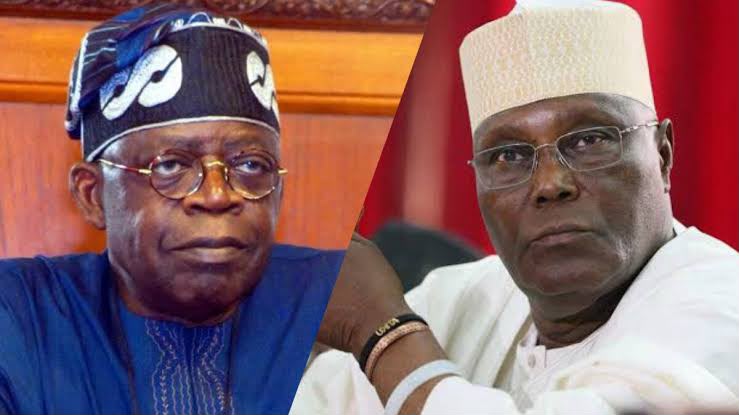
Former Vice President Atiku Abubakar has challenged President Bola Tinubu to explain Nigeria’s rising public debt despite increased government revenues, questioning why Nigerians are yet to see the promised benefits of the administration’s economic reforms.
Atiku made the demand in a statement issued by Phrank Shaibu, Director of Strategic Communications of the African Democratic Congress Presidential Campaign Council.
Nigeria’s public debt stood at ₦166.79 trillion as of June 30, 2026, according to figures published by the Debt Management Office. The DMO’s records show the debt stock stood at ₦49.85 trillion at the end of March 2023.
Atiku questioned why borrowing had continued despite higher government revenues following major economic policy changes.
“A government that says more money is coming in must explain why it keeps borrowing and why the people paying for its policies cannot see the promised gains,” Atiku said.
He demanded a comprehensive reconciliation of the country’s debt figures, including previously incurred obligations newly captured in the debt stock, exchange-rate effects on foreign-denominated debt, fresh borrowing, repayments and outstanding balances.

“I expect President Tinubu to put the full account before Nigerians,” he said.
Atiku also questioned what he described as a disconnect between improvements in some macroeconomic indicators and the cost-of-living pressures facing Nigerians.
“The true test of economic policy is whether Nigerians can afford food, transportation, housing, education, healthcare and electricity,” he said.
The former vice president also raised questions about the proportion of government revenue being committed to debt servicing and the size of the projected 2026 fiscal deficit.
He further demanded clarification over charges contained in the DMO’s second-quarter 2026 external debt-service records, including a $22.5 million charge linked to a First Abu Dhabi Bank Total Return Swap.
“What exactly was the $22.5m charge for? Which agreement authorised it? What was the original facility? How much was drawn? What obligations remain outstanding?” Atiku asked.
He also sought a reconciliation of Treasury Bills outstanding as of June 30, asking the Federal Government to disclose amounts redeemed, rolled over and newly borrowed.
Atiku said Nigerians deserved greater transparency after bearing the impact of major economic reforms, including the removal of petrol subsidy and changes to the foreign-exchange system.
“Nigerians were asked to sacrifice. Fuel subsidy was removed. The naira was allowed to depreciate sharply. Electricity and transportation costs rose. Government revenues increased, yet borrowing continued,” he said.

“After all of this, the Nigerian people are entitled to ask one simple question: what exactly did our sacrifice buy?”
Atiku called on Tinubu and the ruling All Progressives Congress to account for the economic hardship experienced by Nigerians and demanded an apology from the administration.
He maintained that the success of government economic policies should ultimately be measured by their impact on citizens rather than headline economic indicators.
“The real test of this economy is not whether the numbers look good in government presentations. It is whether ordinary Nigerians can afford to live,” Atiku said.