RismadarVoice Reporters
October 11, 2026
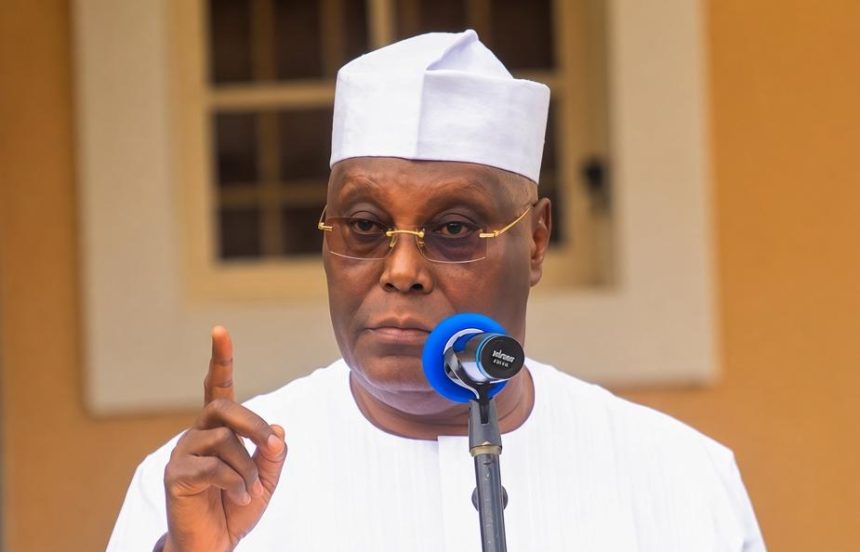
Former Vice President Atiku Abubakar has questioned the financial and regulatory basis of the ₦66-per-litre petrol discount announced by the Nigerian National Petroleum Company Limited (NNPCL), calling on President Bola Tinubu’s administration to disclose how the initiative was approved and funded.
Atiku described the arrangement as politically motivated, arguing that Nigerians deserved a clear explanation of its cost, accessibility and implications for the national oil company’s finances.
In a statement issued through Phrank Shaibu, Director of Strategic Communication of the African Democratic Congress (ADC) Presidential Campaign Council, Atiku demanded details of the approval process, including whether NNPC’s board authorised the discount.
He also asked the company to disclose the projected financial impact and identify how revenue forgone under the arrangement would be recorded in its accounts.
According to the former vice president, NNPC’s commercial status under the Petroleum Industry Act makes financial transparency particularly important when the company undertakes initiatives involving discounted fuel sales.

Atiku argued that the announcement should be accompanied by evidence of the relevant corporate approvals and a clear explanation of the financial obligations arising from the programme.
He further questioned whether the discount would provide meaningful relief to motorists nationwide, given the number and distribution of participating NNPC Retail filling stations.
Citing a network of slightly more than 900 outlets, Atiku said access could be limited for motorists living far from participating stations.
He maintained that transportation expenses, possible queues and the requirement to use an application could reduce the actual savings available to beneficiaries.
The former vice president also challenged the administration’s description of the initiative, arguing that any reduction in revenue resulting from the discount should be transparently accounted for, regardless of whether the government classifies it as a subsidy.
He accused the administration of applying market-based pricing principles inconsistently, claiming that its approach to petrol affordability had changed when targeted discounts became politically attractive.
Atiku also referred to his earlier proposals for targeted fuel-price relief, arguing that the latest arrangement acknowledged the need to ease the financial burden on Nigerians but did not provide sufficiently broad access.
He called for the publication of the discount’s duration, eligibility requirements, participating outlets, projected cost and approval records.

The criticisms reflect continuing disagreement over how the government should address petrol affordability while maintaining financial accountability in the petroleum sector.
Atiku’s allegations concerning the political motivation and financial implications of the initiative remain his stated position. The announcement of a discount does not, by itself, establish that NNPC acted without the necessary approvals.
An official response addressing the specific questions raised about board authorisation, accounting treatment and the programme’s financial impact was not included in the statement.