RismadarVoice Reporters
October 29, 2026
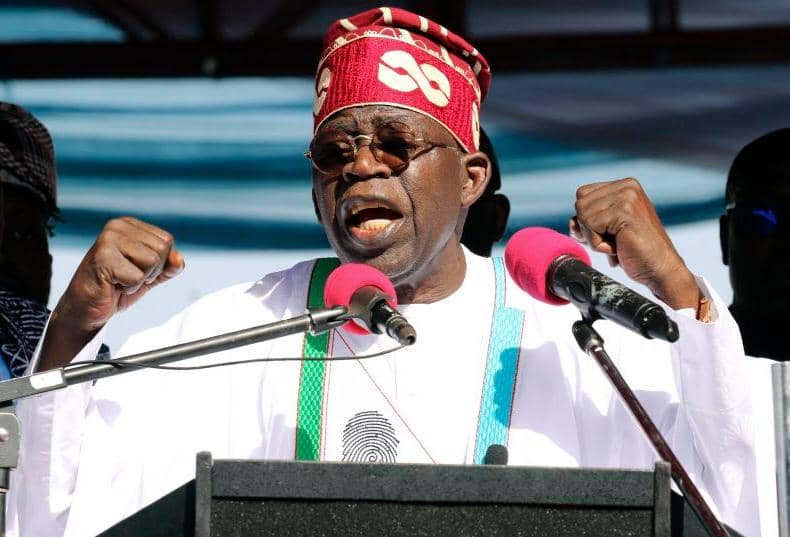
President Bola Ahmed Tinubu has defended his administration’s plans for additional foreign borrowing, insisting that the funds will finance critical infrastructure, create employment opportunities and strengthen Nigeria’s long-term economic development.
Tinubu made the remarks in a statement shared on Thursday by his Special Adviser on Information and Strategy, Bayo Onanuga, titled “From Reforms to Delivery: Our Infrastructure Investment and Growth Strategy.”
The President maintained that borrowing should be assessed by the economic value of projects financed rather than the size of the loans alone.

His comments followed the submission of a supplementary external borrowing proposal worth approximately $21.7 billion to the National Assembly for legislative approval.
Tinubu identified the Lagos-Calabar Coastal Highway, Sokoto-Badagry Superhighway, Trans-Sahara Superhighway, electricity grid upgrades and port modernisation projects as major investments expected to improve transportation, reduce business costs and stimulate industrial development.
He explained that the infrastructure programme would support agriculture, manufacturing, tourism and private investment while creating employment opportunities across several sectors.
The administration also projected that the Lagos-Calabar Coastal Highway could reduce logistics costs along its corridor by 15 to 20 per cent and generate approximately 250,000 direct and indirect jobs.
However, these figures remain government projections rather than independently established economic outcomes.
Tinubu linked the projects to his administration’s ambition of building a $1 trillion economy by 2030, arguing that Nigeria requires significant infrastructure investment to achieve sustainable growth.
Defending the government’s economic reforms, the President cited improvements in major indicators, including real Gross Domestic Product growth of 4.43 per cent in the second quarter of 2026.

He also noted that headline inflation declined to 14.63 per cent in September, compared with 20.98 per cent during the corresponding period in 2025.
According to the administration, Nigeria’s gross external reserves reached approximately $55.1 billion in October, while the tax-to-GDP ratio increased to 12.5 per cent.
Despite these improvements, concerns remain over Nigeria’s debt obligations, borrowing costs and the impact of living expenses on households.
Tinubu maintained that future borrowing would increasingly target productive investments capable of generating lasting economic benefits rather than short-term expenditure.
He identified food affordability, energy stability, fiscal discipline, infrastructure completion and household support among the government’s priorities.
The President emphasised that the success of the borrowing programme would ultimately depend on completed projects, employment generation and measurable improvements in Nigerians’ living standards.