RismadarVoice Reporters
September 11, 2026
The Economic and Financial Crimes Commission (EFCC) has recorded significant achievements in Nigeria’s anti-corruption campaign but continues to face questions over internal accountability, political neutrality and the effectiveness of its operations.
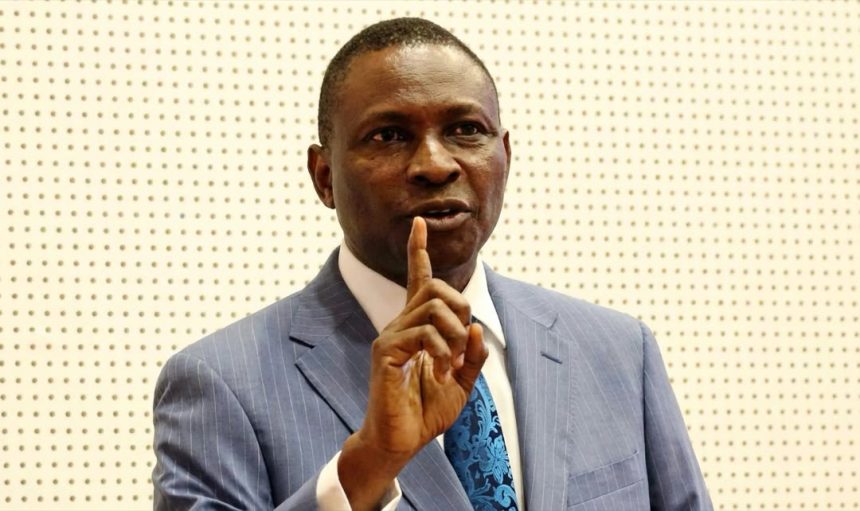
The commission’s Chairman, Ola Olukoyede, recently disclosed that more than 40 EFCC personnel had been dismissed for corruption and financial misconduct since he assumed office, with some already facing prosecution.
The development has been described as a positive step towards strengthening the integrity of the anti-graft agency, but it has also raised concerns about how individuals accused of compromising ethical standards gained employment in an institution established to fight corruption.

Observers have stressed that the EFCC must maintain strict accountability within its ranks if it is to retain public confidence and effectively investigate corruption cases across the country.
The commission has also introduced stricter rules on gifts and asset declarations, requiring officers to disclose assets and certain gifts received, including those from relatives abroad.
Such measures are aimed at preventing corruption practices disguised as personal favours or unofficial benefits.
Since its establishment, the EFCC has recovered significant amounts of stolen assets. The commission reportedly recovered N1.23 trillion and $684.48 million in proceeds of crime between October 2023 and July 2026, investigated thousands of cases and secured several convictions.
However, analysts argue that recovery figures alone cannot determine the success of an anti-corruption institution, noting that the real measure should be whether corruption becomes more difficult to commit.
Nigeria’s corruption challenges remain extensive, with concerns over public procurement, contract processes, political influence and accountability in government institutions.
The EFCC has also faced allegations of selective enforcement, with critics questioning whether the agency treats political allies and opponents equally.
The freezing of the Osun State Government’s account shortly before the August 15 governorship election sparked controversy, with critics raising concerns about the timing of the action. The move was later reversed following intervention by President Bola Tinubu.
The commission also attracted attention after former Bayelsa State Governor Timipre Sylva alleged that he feared an EFCC “witch-hunt” after leaving the All Progressives Congress. The EFCC later invited him for questioning over an alleged $14.86 million fraud case.
The controversy has renewed calls for greater transparency and political independence in the operations of the anti-graft agency.

Analysts have also criticised the continued political relevance of some individuals facing corruption allegations, arguing that unresolved cases should be considered when assigning sensitive public responsibilities.
While the law guarantees the presumption of innocence, anti-corruption advocates say ethical considerations should also guide political appointments and public leadership roles.
The EFCC has been urged to focus on strengthening investigations, improving prosecution quality and ensuring that high-profile corruption cases are successfully concluded.
A weak prosecution after high-profile arrests, analysts warn, could damage public trust and reinforce perceptions of impunity.
The commission has contributed significantly to Nigeria’s anti-corruption efforts, but experts say it must address internal challenges and operate with greater independence to effectively confront corruption in the country.
Nigeria’s fight against corruption, they argue, requires more than arrests and asset recoveries. It requires transparent institutions, stronger procurement systems, independent courts and consistent enforcement of accountability standards.