RismadarVoice Reporters
October 29, 2026
The Director-General of the Africa Centres for Disease Control and Prevention (Africa CDC), Dr Jean Kaseya, has warned that the continent is struggling to contain the ongoing Ebola outbreak, with confirmed infections surpassing 10,000 and deaths approaching 5,000.
Kaseya raised the alarm following an extraordinary meeting of more than 40 African health ministers on Wednesday, October 28, convened to strengthen the continent’s response to the public health emergency.
According to figures reported by Africa CDC, the outbreak had recorded 10,172 confirmed cases and 4,932 deaths across five countries as of October 26.
The Democratic Republic of the Congo (DRC), where the outbreak began in May, accounted for 10,141 confirmed infections and 4,928 deaths.
Kenya recorded nine cases and two deaths, while Uganda reported 20 confirmed infections and two deaths. Nigeria and France each recorded one imported case without fatalities.
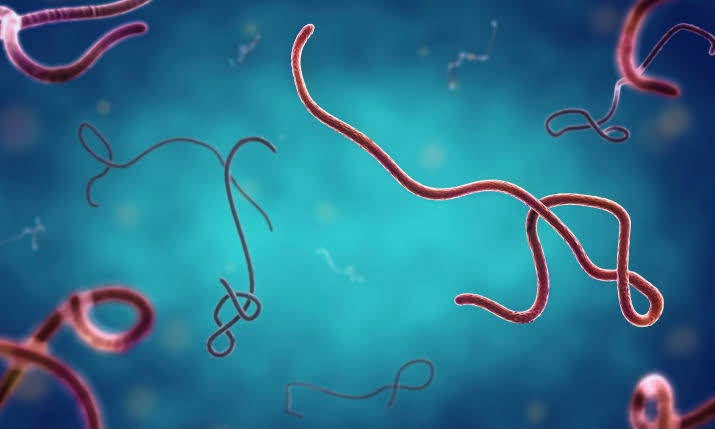
The outbreak is caused by the Bundibugyo virus, a species of Ebola virus associated with severe and potentially fatal illness.
Kaseya expressed concern about the scale of the emergency, stressing that countries must strengthen their preparedness even where no active infections have been detected.

He said African health ministers had agreed to improve cross-border coordination, strengthen surveillance and prepare national health systems to identify and respond rapidly to suspected cases.
The ministers also supported keeping international borders open while maintaining appropriate public health monitoring.
Africa CDC has warned that insecurity, humanitarian challenges and inadequate funding continue to complicate containment efforts, particularly in affected areas of the DRC.
In Nigeria, health authorities confirmed the country’s first imported case on October 20, prompting contact tracing and heightened surveillance.
The Nigeria Centre for Disease Control and Prevention reported that 54 contacts linked to the case were being monitored as of October 26.
The single confirmed Nigerian case does not, by itself, establish sustained local transmission.
Meanwhile, the World Health Organisation has advised against blanket travel and trade restrictions, emphasising the importance of early detection, infection prevention and coordinated emergency responses.

Health authorities have also stressed the need to protect frontline workers and maintain public trust in outbreak-control measures.
Kaseya urged African governments and international partners to intensify cooperation, warning that delays in responding to new infections could undermine containment efforts.
The outbreak remains a major continental health emergency, with authorities seeking to prevent further transmission and reduce deaths through stronger surveillance, coordinated intervention and improved healthcare preparedness.