RismadarVoice Reporters, September 1, 2026
The number of commodity vessels passing through the Strait of Hormuz remained at low levels on Monday, with preliminary ship-tracking data showing only five vessels transiting the strategic waterway, below the recent average.
Data from maritime analytics firm Kpler showed that four vessels entered the strait while one vessel exited. The figure remained below the 10-day average of about 14 vessels recorded through the route.
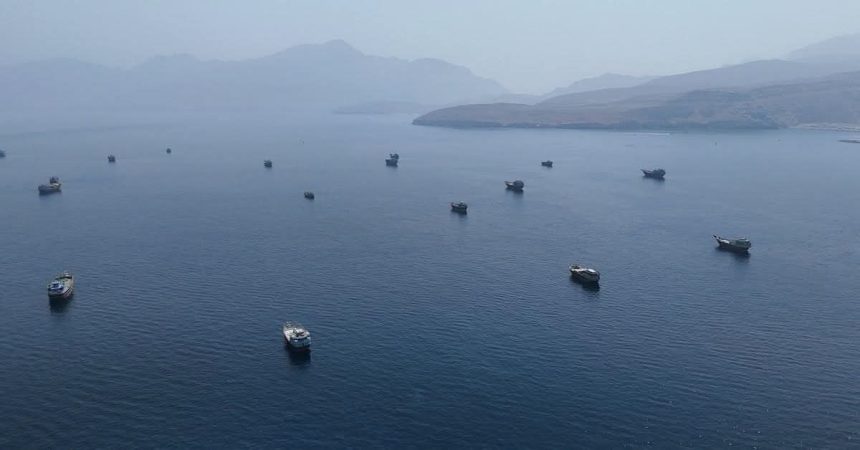
The Strait of Hormuz, a major global energy shipping route connecting the Persian Gulf with international waters, has experienced reduced traffic amid heightened tensions in the Middle East.

The vessel count does not include ships that have switched off their tracking transponders, according to the data. No liquid tankers were recorded among the vessels that passed through the waterway on Monday.
Among the vessels entering the strait was an empty handy-sized gas tanker that used the Iranian route, while three others were loaded dry bulk carriers.
The development followed reports that a Saudi oil tanker was stopped while travelling through the southern corridor of the Strait of Hormuz, although Saudi authorities have not confirmed the incident.
Meanwhile, traffic through another major maritime chokepoint, the Bab el-Mandeb Strait, increased, with Kpler data showing 27 vessels passing through the route. Fourteen vessels entered while 13 exited, including five Aframax- or Suezmax-sized crude tankers.

The latest shipping data comes amid continued regional tensions and concerns over the security of key trade routes used for global energy supplies.
Reporting by Trixie Yap, with editing by Christopher Cushing and Jamie Freed.