RismadarVoice Reporters, June 11, 2026
The House of Representatives has passed the State Police Bill, advancing efforts to decentralise Nigeria’s policing structure amid growing security challenges across the country.
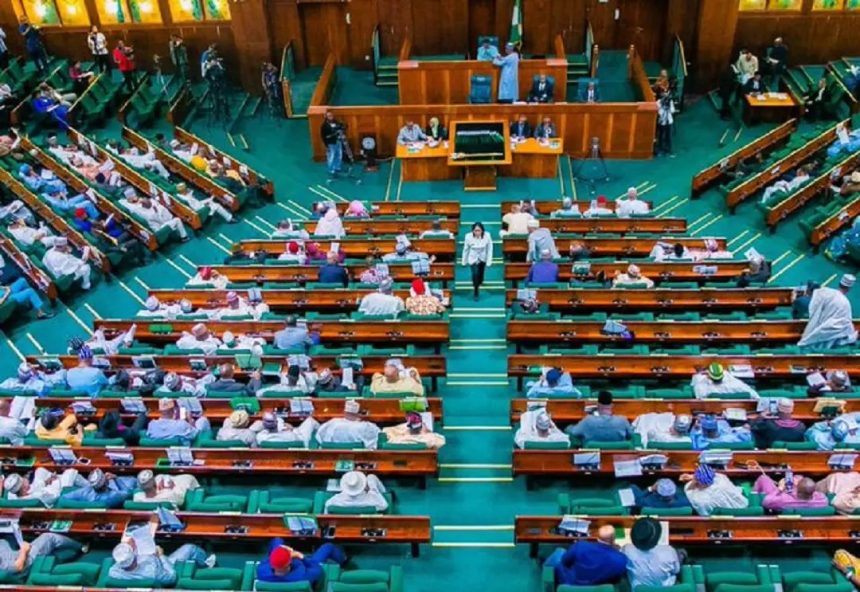
The proposed legislation received overwhelming support during plenary on Thursday, with 289 lawmakers voting in favour of its adoption. The session was presided over by Speaker of the House, Tajudeen Abbas.
Lawmakers devoted the day’s proceedings to deliberations on the bill, which seeks to establish state-controlled police forces as part of broader constitutional reforms aimed at addressing insecurity, including banditry, kidnappings, and violent attacks in several parts of the country.

The debate was briefly interrupted when a member representing a constituency in Kaduna State, Bashir Zubairu, raised concerns over the process.
Zubairu argued that members had only been provided with the report of the House Committee on Constitution Review shortly before deliberations commenced, leaving insufficient time for lawmakers to adequately study its contents.
“Mr Speaker, this document was only made available to lawmakers in the chamber today, and many of us have not had the opportunity to thoroughly examine it. We cannot effectively debate a report we have not fully reviewed,” he said.
However, Speaker Abbas ruled the objection out of order and directed that proceedings continue.
As the House considered the bill’s provisions, some lawmakers attempted to raise additional points of order, but the Speaker declined further interruptions and proceeded with the legislative process.
Before voting commenced, Abbas informed members that the electronic voting system was unavailable. He explained that the voting exercise would instead be conducted based on attendance records.

Out of the 290 lawmakers present during the session, 289 voted in support of the State Police Bill, while only one member opposed the proposal.
The Speaker did not participate in the voting exercise.
The passage of the bill represents a significant milestone in the ongoing constitutional amendment process and reflects growing legislative support for state policing as a strategy to strengthen security management across Nigeria.