

RismadarVoice Reporters, May 19, 2026
Political stakeholders and voters across northern Nigeria are expressing differing opinions over how emerging alliances among opposition figures could influence voting patterns ahead of the 2027 presidential election.
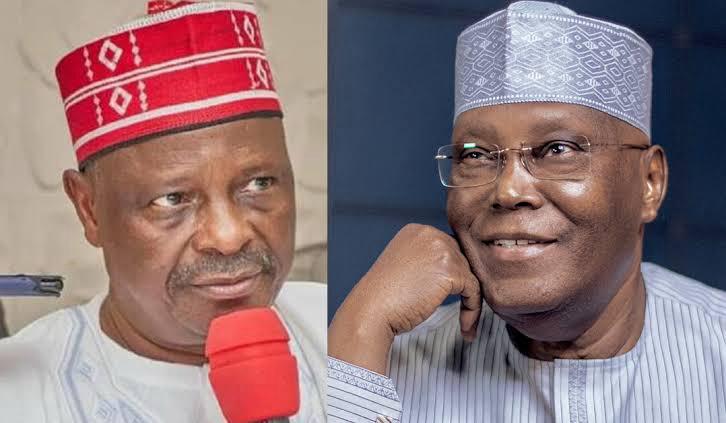
The debate follows increasing discussions around possible political realignments involving former Vice President Atiku Abubakar, former Kano State Governor Rabiu Musa Kwankwaso, and former Labour Party presidential candidate Peter Obi.
Analysts and party supporters believe the configuration of these alliances could significantly shape electoral dynamics in the region, especially if key opposition figures contest on separate political platforms.

An ADC chieftain, Adnan Mukhtar Tudun Wada, argued that the North may witness a divided voting pattern due to varying political interests and alliances emerging before the election.
According to him, Kwankwaso’s political strength remains concentrated largely in Kano State, while Atiku maintains influence across multiple northern states.
He also suggested that voter preferences could be affected by perceptions surrounding previous electoral campaigns and political alignments.
Some observers further believe dissatisfaction with the ruling All Progressives Congress (APC) could influence voter decisions and increase support for candidates viewed as having stronger regional appeal.
Meanwhile, Kano Obidient Coordinator, Barrister Ibrahim Muhammad, said voting behaviour in the North could differ significantly from what was seen during the 2023 elections because of ongoing coalition efforts.
He explained that factors such as regional influence, choice of running mates and the perceived ability of candidates to mount a strong challenge against the incumbent administration may determine voting outcomes.
Muhammad also pointed to ongoing discussions among opposition parties and political figures, suggesting that broader coalitions could reshape political calculations ahead of the election.
However, some political observers remain sceptical about the prospects of the emerging alignments, arguing that personal ambitions and political interests could weaken attempts at building a united opposition front.

Political activist Mamman Buhari expressed doubts about the effectiveness of the proposed alliances, maintaining that internal differences among political actors could limit their chances of success.
As political activities gradually intensify ahead of the 2027 elections, analysts believe alliances, regional considerations and candidate selections are likely to play a decisive role in determining the electoral landscape across the country.