RismadarVoice Reporters. May 2, 2026
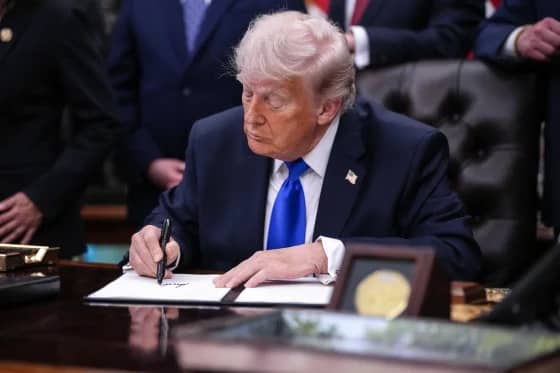
U.S. President, Donald Trump on Thursday signed an executive order aimed at widening access to retirement savings options, directing the Treasury Department to create a new online platform where Americans can compare private-sector plans.
The proposed website, TrumpIRA.gov, is designed to help workers particularly those without employer-sponsored retirement benefits identify and enroll in savings plans such as IRAs and 401(k)s. Officials say the initiative targets an estimated 50 million Americans who currently lack access to workplace retirement programs.
Speaking at the White House, Trump said the measure could be transformative for workers excluded from traditional employer-backed systems. “For millions of Americans who lack employer-sponsored plans, this will be really revolutionary,” he said.
The executive order comes ahead of the rollout of the federal “Saver’s Match” program, introduced under former President Joe Biden through 2022 legislation. Beginning next year, the program will provide matching contributions of up to $1,000 annually for lower-income individuals saving for retirement.
Under current guidelines, the match will apply to workers earning up to $35,000 per year, with the full benefit available to those earning below roughly $20,500. The program covers contributions to eligible retirement accounts, including IRAs and employer-sponsored plans.
Trump’s directive does not establish a new government-run retirement plan but instead focuses on connecting individuals to existing private-sector options. Administration officials say the comparison tool will streamline access and increase participation in savings programs ahead of the Saver’s Match implementation.
Kevin Hassett, director of the White House National Economic Council, said the administration is also working with Congress to expand eligibility for the matching program to include more middle-income earners.
The initiative reflects a broader effort to address gaps in retirement coverage, particularly among workers in part-time, gig, or small-business roles who are less likely to receive employer-sponsored benefits.