Micah Jonah, April 12, 2026
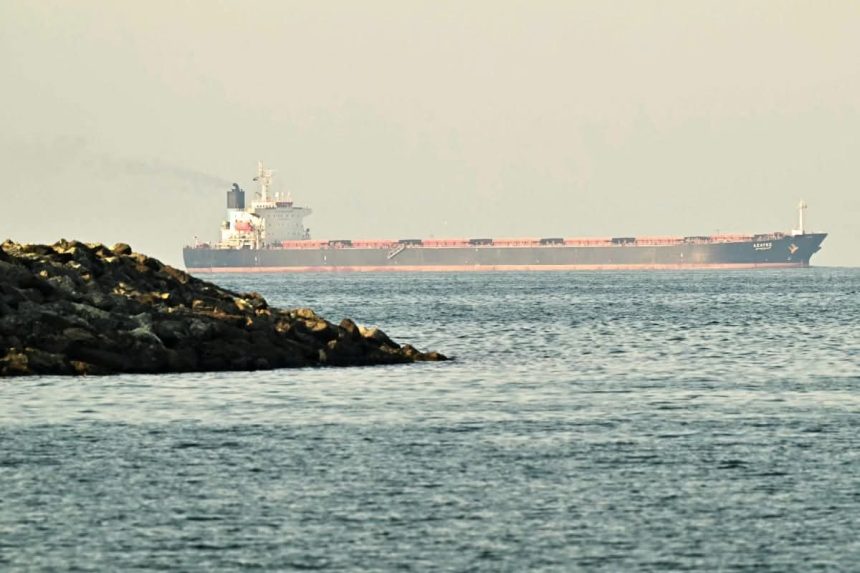
Oil shipments have begun moving through the Strait of Hormuz following a ceasefire between the United States and Iran, with three supertankers confirmed to have exited the waterway.
Shipping data shows that the vessels — Serifos, Cospearl Lake and He Rong Hai passed through the channel carrying crude oil cargo. Each of the tankers has a capacity of approximately two million barrels.
The movement comes after weeks of disruption caused by tensions in the region, which affected a major global route for oil and liquefied natural gas exports.
The Liberia-flagged Serifos, chartered by Thailand’s state energy company, PTT, is reported to be transporting crude oil loaded from Saudi Arabia and the United Arab Emirates. The vessel is expected to arrive at Malaysia’s Malacca Port on April 21.
Two other vessels, Cospearl Lake and He Rong Hai, both chartered by a subsidiary of Sinopec, are carrying crude shipments, including cargo sourced from Iraq and Saudi Arabia. Cospearl Lake is scheduled to arrive at Zhoushan port in China on May 1.
In addition, another tanker, Ocean Thunder, had earlier transited the waterway carrying crude oil from Iraq under a charter linked to Malaysia’s national energy company.
Despite the movement of these vessels, a significant number of oil tankers remain within the Gulf, awaiting clearance to exit during the ceasefire period.
Data also indicates that some empty vessels, including Mombasa B, Agios Fanourios I and Shalamar, are currently navigating into the Gulf to load crude oil cargo.
The Strait of Hormuz remains a key route for global energy supply, accounting for a substantial share of international oil shipments.
Maritime activities in the area continue under the conditions created by the ongoing ceasefire, with vessel movements gradually resuming.