RismadarVoice Reporters, April 6, 2026
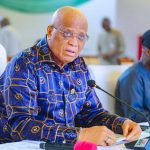
President of the Nigerian Bar Association (NBA), Mazi Afam Osigwe, SAN, has defended the petition filed against Chief Jibrin Sam Okutepa, SAN, before the Legal Practitioners Disciplinary Committee (LPDC), insisting it is a matter of professional accountability rather than a witch-hunt.
In a detailed response to allegations made by Okutepa, Osigwe dismissed claims of abuse of office, forgery, and misconduct, describing them as misleading and unfounded.
He clarified that the petition does not question Okutepa’s right to accept legal briefs or challenge the composition of the Electoral Committee of the Nigerian Bar Association (ECNBA), but rather focuses on the manner in which ex parte orders were obtained in Suit No. I/221/2026.
According to Osigwe, the core issue is whether there was full disclosure of material facts to the court, especially given that Okutepa was present at the NBA National Executive Committee (NEC) meeting in Benin where the ECNBA was constituted.
He noted that the committee’s formation followed due process, including a motion, seconding, and adoption, all of which were captured in official records, a widely circulated communiqué, and video evidence of the proceedings.
Osigwe argued that the failure to disclose such facts during ex parte proceedings raises concerns about compliance with the ethical duty of candour expected of legal practitioners.
“The petition is neither personal nor retaliatory. It is a professional concern deserving examination by the appropriate disciplinary body,” he stated.

The NBA President also rejected claims that the move was aimed at victimising Okutepa, stressing that the LPDC serves as a lawful mechanism for addressing allegations of professional misconduct.
On the controversy surrounding Okutepa’s alleged exclusion from the Body of Benchers, Osigwe explained that the NBA exercised its discretion not to recommend his renewal due to the pending petition, noting that such decisions are guided by prevailing circumstances.
He maintained that the matter should be resolved through due disciplinary processes rather than public debate.

“This is not about personalities or politics, but about upholding professional ethics and the integrity of the legal profession,” Osigwe added.