


By Micah Jonah, February 26, 2026
The United Nations has issued the first carbon credits under a market mechanism established by the Paris Agreement, marking a milestone in global efforts to reduce greenhouse gas emissions.
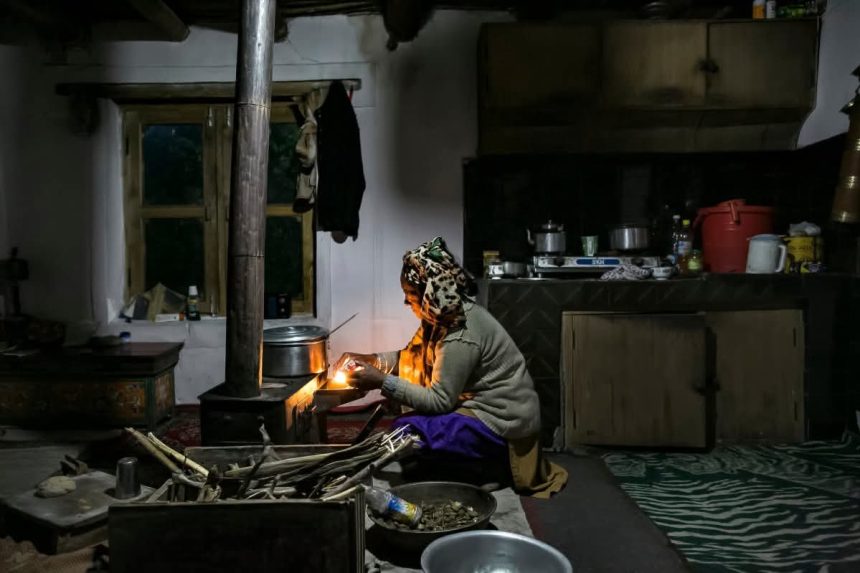
The Paris Agreement Crediting Mechanism (PACM) allows countries and companies to offset excess emissions by financing projects that reduce emissions elsewhere. The first credits were awarded to a clean cooking initiative in Myanmar, implemented in partnership with a South Korean company. The project distributes efficient cookstoves that burn woody biomass more effectively, cutting smoke and fuel use while easing pressure on local forests.
“Over two billion people globally lack access to clean cooking, which kills millions every year,” said UN Climate Change Executive Secretary Simon Stiell. “Clean cooking protects health, saves forests, cuts emissions and empowers women and girls, who are hardest hit by household air pollution.”
The UN emphasized that the PACM applies more conservative calculations than previous schemes, with credited emissions reductions – 40 percent lower, aiming to prevent overestimation and greenwashing. Jacqui Ruesga, vice chair of the UN body supervising the mechanism, added that the first issuance demonstrates the system is functioning as intended.
Despite the progress, the World Health Organization warns that only 78 percent of the population in Myanmar is projected to have access to clean cooking by 2030 at current rates. Critics also caution that poorly designed carbon credit schemes could allow countries or corporations to exaggerate their climate action while continuing polluting practices.
The PACM follows rules agreed at the 2024 UN COP29 summit in Azerbaijan, enabling cross-border trade of carbon reductions while seeking transparency and accountability in emissions reporting.
This first issuance represents both a symbolic and practical step toward linking climate finance with tangible social and environmental benefits on the ground.