RismadarVoice Reporters
November 6, 2026
The United States has recorded 5,182 confirmed measles cases in 2026, its highest annual total in 35 years, according to figures released by the Centres for Disease Control and Prevention (CDC).
The latest data, covering cases reported as of November 5, represent a sharp increase from the 2,289 infections recorded throughout 2025 and mark the highest annual figure since 1991.
The resurgence has raised concerns among public health experts over declining vaccination coverage and the continued spread of the highly contagious disease.
According to the CDC, approximately 96 per cent of confirmed cases involved individuals who were unvaccinated or whose vaccination status was unknown.
The agency also reported 562 hospitalisations, representing about 11 per cent of cases, while 43 outbreaks have been identified nationwide this year.
State health authorities have reported at least eight measles-related deaths, including among young children. However, the CDC’s national surveillance figures currently list four deaths, reflecting differences in reporting sources and procedures.

Measles was declared eliminated in the United States in 2000 following decades of successful vaccination campaigns.
The declaration meant that continuous domestic transmission had been interrupted, although imported infections could still trigger outbreaks.
The latest increase has renewed concerns about the country’s ability to maintain that elimination status.
Paediatric infectious disease specialist Adam Ratner described the reported deaths as preventable and warned that children were bearing the consequences of declining protection against infectious diseases.
The resurgence has also intensified scrutiny of US Health Secretary Robert F. Kennedy Jr., whose previous statements questioning vaccines have attracted criticism from medical professionals and public health organisations.
Health experts maintain that widespread vaccination remains the most effective means of preventing measles outbreaks.
The disease spreads through the air and commonly causes fever, coughing, runny nose, red eyes and a characteristic skin rash.
Serious complications can include pneumonia, brain inflammation, permanent neurological damage and death, particularly among young children and people with weakened immune systems.

Before the introduction of measles vaccines in the 1960s, the disease caused hundreds of deaths annually in the United States.
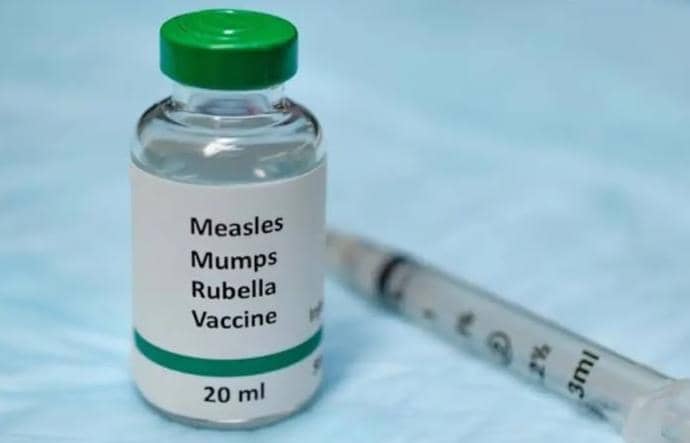
The CDC recommends two doses of the measles, mumps and rubella vaccine, which provides approximately 97 per cent protection against measles.
Public health authorities continue to encourage vaccination and early reporting of suspected infections to reduce transmission and prevent further deaths.