RismadarVoice Reporters
August 31, 2026
The United States Strategic Petroleum Reserve (SPR) has lost much of its capacity to cushion global oil markets as the conflict involving Iran continues, with analysts warning that Washington’s options for responding to future supply disruptions have become increasingly limited.
The emergency oil stockpile, created after the oil crises of the 1970s, has fallen to its lowest level since 1982 following years of withdrawals under successive administrations. The reserve currently holds about 289.7 million barrels of crude oil, with further reductions expected if additional releases are carried out.
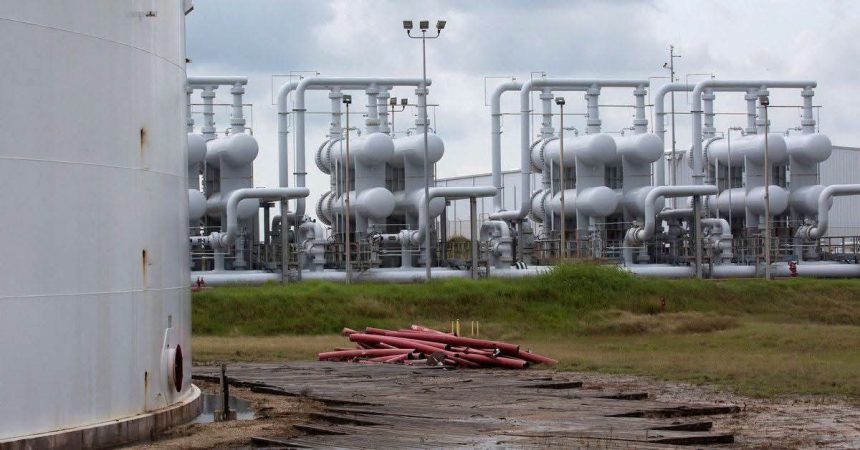
The decline has raised concerns among energy experts over the ability of the reserve to quickly stabilise markets during a major crisis. The SPR is stored in underground salt caverns along the Texas and Louisiana coasts, where continued withdrawals could affect the safe operation of storage facilities, pipelines and pumping systems.

Analysts said the reserve could fall to around 243 million barrels if the United States completes an additional 39 million-barrel release linked to an international agreement aimed at easing pressure on oil markets after the escalation of tensions with Iran.
Energy experts have warned that although the physical minimum level of the reserve is lower, operating with significantly reduced stockpiles could create technical challenges and limit Washington’s ability to respond effectively to future emergencies.
President Donald Trump has said the United States plans to rebuild the reserve using Venezuelan oil, but analysts said replenishing the stockpile could take years and may depend on political and market conditions.
The depletion of the SPR follows major releases in recent years, including large withdrawals coordinated with international partners to reduce oil price pressures after global supply disruptions. Efforts to rebuild the reserve have faced funding challenges, with available resources falling short of estimated costs required for full replenishment.

The Government Accountability Office has also raised concerns about ageing infrastructure and maintenance challenges affecting the reserve’s ability to rapidly withdraw or replace oil when needed.
Energy analysts said the reduced size of the reserve, combined with limited spare production capacity from major oil producers, could reduce policy flexibility during future disruptions and increase the risk of stronger price movements in global oil markets.
Market observers warned that continued pressure on the reserve could contribute to higher oil prices, with possible effects on inflation, consumer costs and economic activity.