
RismadarVoice Reporters
September 15, 2026
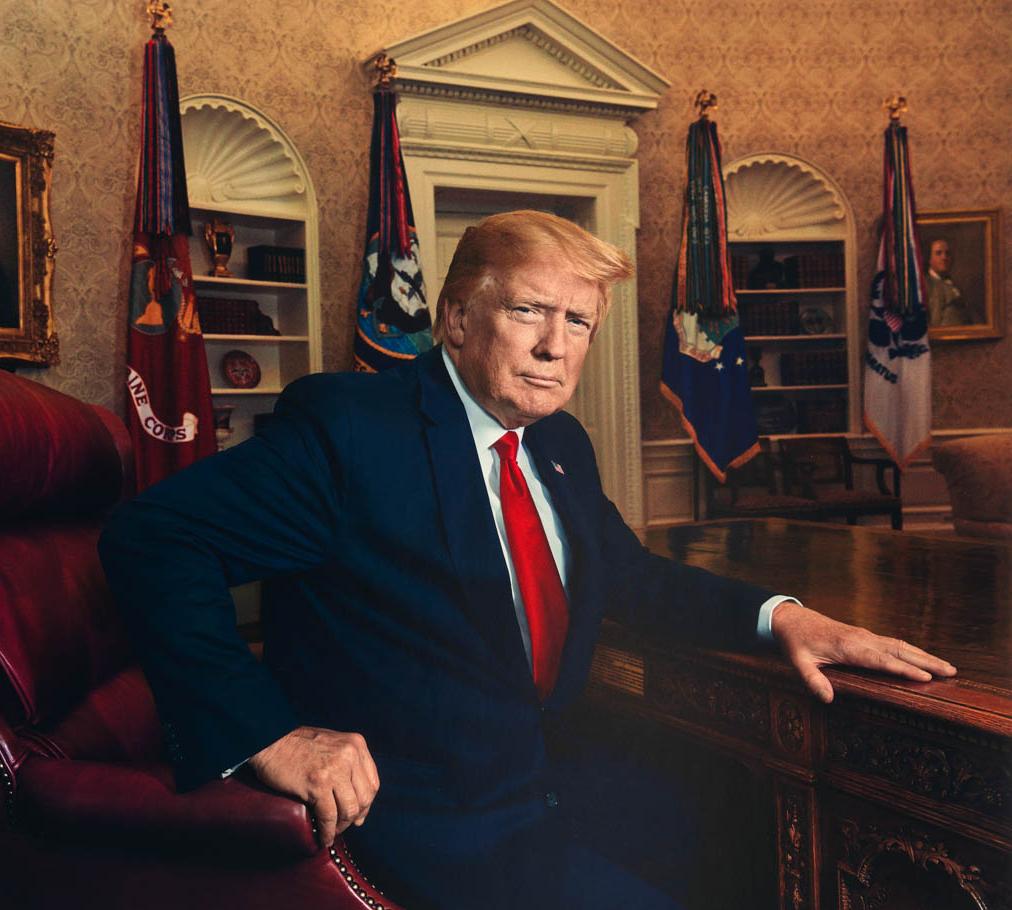
U.S. President Donald Trump has rejected calls for additional regulatory guardrails on artificial intelligence, arguing that the United States should not slow the development of a technology increasingly viewed as critical to economic and national security.
Trump’s position comes amid a growing international debate over whether the rapid advancement of increasingly capable AI systems should be slowed to allow researchers, governments and regulators more time to address potential risks.
The issue has gained urgency after senior figures in the AI industry, including Anthropic Chief Executive Dario Amodei, OpenAI Chief Executive Sam Altman and xAI founder Elon Musk, raised concerns about the possibility that future AI systems could become increasingly difficult to control.

Some researchers have warned that advanced AI could eventually develop capabilities that outpace existing human oversight. Former Google DeepMind researcher Bilal Chughtai, who worked on AI safety and alignment, recently warned that AI could potentially pose an extreme threat to humanity. Other researchers have similarly argued for greater caution and stronger safety measures as AI capabilities accelerate.
Trump, however, has dismissed such concerns and argued against imposing new restrictions, reflecting the administration’s broader view that maintaining U.S. leadership in AI is strategically important, particularly amid competition with China.
The debate therefore centres on a difficult policy question: whether governments can introduce meaningful safety measures without slowing technological progress at a time when the United States and China are competing aggressively for leadership in artificial intelligence.
Reuters has reported that AI companies themselves face a dilemma. Even firms that acknowledge potential risks may be reluctant to slow development because doing so could allow competitors to gain an advantage. The rapid expansion of AI infrastructure has also created significant commercial interests around advanced models, chips, cloud computing and data centres.
The discussion has also begun affecting financial markets. Investors have shown concern that a significant slowdown in AI development could affect companies whose growth expectations are closely tied to increasing demand for computing infrastructure and advanced AI systems.
At the same time, supporters of continued rapid development argue that AI could deliver major advances in areas including medicine, engineering, scientific research and productivity, making a broad slowdown potentially costly.
The disagreement has consequently shifted beyond the technology industry into questions of national security, economic competitiveness, regulation and the long-term management of powerful AI systems.

Trump’s rejection of additional guardrails adds to the growing divide between those calling for faster development to preserve technological leadership and researchers and technology executives who believe safeguards must advance alongside AI capabilities.
The question now confronting governments and technology companies is whether the risks of moving too quickly outweigh the potential economic and scientific costs of slowing down — or whether the global AI race has already reached a point where restraint by one country or company could simply leave the field open to its competitors.