

RismadarVoice Reporters
September 15, 2026
The National Drug Law Enforcement Agency has arrested a Mexican national, Arturo Carrera Loaiza, described by the agency as a major figure in a transnational methamphetamine network, while he was allegedly attempting to leave Nigeria through the Lagos airport.
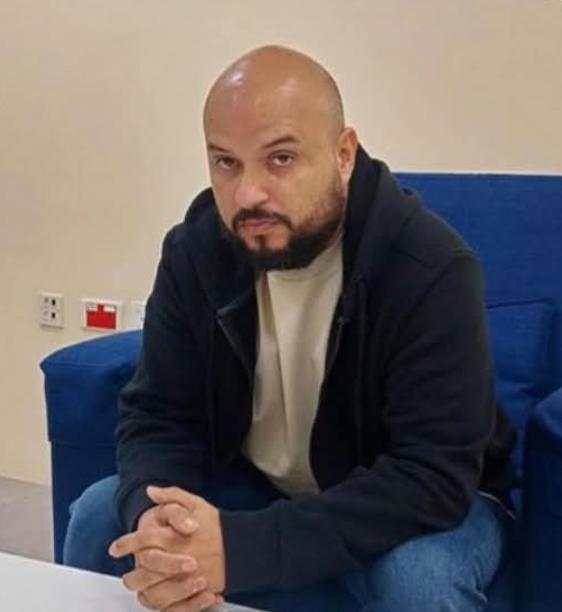
The NDLEA also said it has dismantled another industrial-scale clandestine methamphetamine laboratory in Ebonyi State, following months of intelligence gathering into a Nigerian-Mexican drug network suspected of establishing production facilities in different parts of the country.
NDLEA Chairman and Chief Executive Officer, Brig. Gen. Mohamed Buba Marwa (retd.), disclosed the developments during a media briefing in Lagos, according to the agency’s Director of Media and Advocacy, Femi Babafemi.
The operation, according to Marwa, followed earlier raids on suspected methamphetamine laboratories and arrests of Mexican nationals and Nigerian collaborators in Ogun and Oyo states.

The agency had in May arrested three Mexican nationals and seven Nigerian collaborators at a forest location in Ogun State as part of its investigation into a transnational drug network. In June, NDLEA operatives also raided a clandestine laboratory in Tapa village, Ibarapa North Local Government Area of Oyo State, where a 56-year-old Mexican national, Jose Villa Ochoa, and four Nigerian collaborators were arrested.
Marwa said subsequent investigations established that Ochoa had been recruited and brought to Nigeria by Loaiza.
International intelligence cooperation reportedly enabled investigators to obtain a photograph of Loaiza, which Ochoa identified as the person who recruited him.
According to the NDLEA, intelligence further showed that Loaiza entered Nigeria on June 10 alongside another Mexican national, Jose Ceballos Perez. Investigators subsequently tracked him until his arrest on August 19 at the Lagos airport as he allegedly attempted to leave the country.
During questioning, Loaiza reportedly claimed that a Nigerian contact identified only as “Henry” had invited him to Nigeria under the guise of a restaurant business venture. He allegedly denied knowledge of methamphetamine production or involvement in the Tapa laboratory.
Investigators, however, reportedly recovered photographs showing Loaiza wearing a blue laboratory coat and standing among equipment believed to be associated with methamphetamine production.
The NDLEA said analysis of location data attached to the photographs led investigators to a property under construction at Isiata Ugoni Okposi in Ebonyi State.

Operatives moved against the property on August 30 and, according to the agency, discovered several indications that the site had been used for illicit activities.
Investigators reportedly interviewed the site engineer and caretaker, who drew attention to a temporary structure built over a septic tank at the rear of the property and persistent chemical odours emanating from the premises.
A CCTV memory card recovered from the property allegedly provided additional evidence. According to the NDLEA, the footage showed a foreign national wearing a blue laboratory coat similar to that seen in Loaiza’s photographs, while John Samuel Ivo Okike was also allegedly seen repeatedly at the location.
The agency said CCTV footage recorded around 9 p.m. on August 21 showed chemicals and laboratory equipment being moved from the property, with Okike allegedly directing the operation alongside other individuals.
Further intelligence reportedly led investigators to an isolated house in a neighbouring community, where the relocated materials were allegedly being kept under the custody of a man identified as Nwanja Obasi.

A subsequent raid resulted in the recovery of substantial quantities of chemicals, laboratory equipment and other materials which the NDLEA said were linked to methamphetamine production.
Among the substances recovered, according to the agency, were 442.8kg of acetone, 37.1kg of toluene, 20kg of an acetone-bromobenzene mixture, 1.7kg of ethanol, 5.1kg of chloride salt, 31.5kg of hydrochloric acid, 200kg of P2B and 1kg of tartaric acid.
Investigators also recovered a dehydrator containing a white cloth sieve with loose material that the agency said was methamphetamine, alongside three additional empty dehydrators, condensing equipment, a condenser head, reaction equipment, an access pump, weighing scales, mixers, drums, gas burners, protective gloves and a blue laboratory coat.
The NDLEA said the recovered materials, CCTV footage, forensic findings and witness accounts had strengthened its investigation into the suspected network.
The latest operation forms part of a wider NDLEA crackdown on industrial-scale methamphetamine production in Nigeria. In May, the agency said it had dismantled a large Nigerian-Mexican methamphetamine laboratory in Ogun State and recovered more than 2.4 tonnes of chemical materials and finished methamphetamine, which it valued at more than $362 million on the international market.

In July, NDLEA also arraigned the alleged Ogun cartel kingpin, Anochili Innocent, three Mexican nationals and six Nigerians over charges connected with the establishment and operation of the clandestine laboratory.
Marwa warned that Nigeria would not be allowed to become a base for international drug cartels seeking to relocate clandestine production facilities into the country’s forests and rural communities.
He said the arrests and laboratory seizures demonstrated the agency’s growing intelligence, forensic and operational capacity to track transnational criminal organisations.
The NDLEA chief commended personnel from its Special Operations Unit, Strike Force, Forensics Directorate and the Ogun, Oyo and Ebonyi State Commands for their roles in the investigations and raids.

He said the agency would continue following the investigation until the wider network, including alleged financiers and local facilitators, were identified and brought before the appropriate authorities.
The latest arrests and laboratory seizure come amid intensified efforts by Nigerian authorities to prevent international drug organisations from using the country as a production or transit base for synthetic drugs.