RismadarVoice Reporters
October 15, 2026
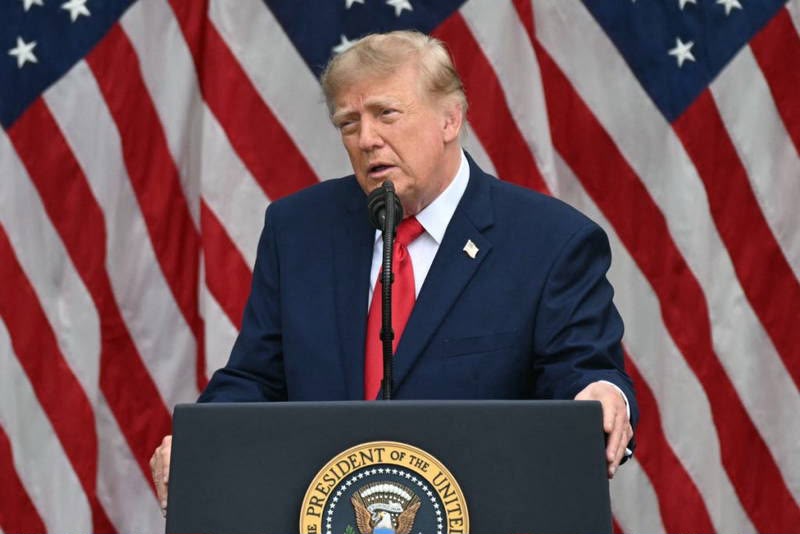
United States President Donald Trump has renewed his suggestion that Canada could become America’s 51st state, linking the proposal to continuing trade disputes between Washington and Ottawa.
Speaking at a rally in Bullhead City, Arizona, on Wednesday, Trump accused Canada of imposing unfair trade restrictions on American products, particularly dairy, while defending his administration’s efforts to encourage manufacturers to relocate production to the United States.
Trump argued that the United States had greater economic leverage in its relationship with Canada and suggested that incorporating the neighbouring country into the US would resolve longstanding trade disagreements.

He repeated his claim that Canada could eventually become the 51st state, maintaining that the country depended more heavily on the United States than Washington depended on Ottawa.
The president also questioned American financial commitments to Canada and compared his statehood proposal with his administration’s interest in Greenland.
During the remarks, Trump floated the possibility of renaming Lake Ontario “Lake America,” extending his broader argument about American territorial and economic influence.
His comments come amid disagreements over tariffs, market access and manufacturing policies between the two countries.
Canada has repeatedly rejected Trump’s suggestions of American statehood, with political leaders across the country maintaining that its sovereignty is not open to negotiation.
British Columbia Premier David Eby previously rejected the proposal amid disputes over retaliatory tariffs, while Ontario Premier Doug Ford has also publicly dismissed the possibility of Canada joining the United States.
Canadian Prime Minister Mark Carney’s government has continued to pursue trade discussions with Washington while defending Canada’s economic interests and political independence.

Trump has raised the idea of Canadian statehood on several occasions, often presenting it alongside complaints about trade arrangements and American economic support.
However, his latest remarks do not constitute a formal agreement or an announced legal process for incorporating Canada into the United States.
Any change to Canada’s sovereign status would involve major constitutional and political questions, and Canadian authorities have not indicated any willingness to pursue such an arrangement.