

RismadarVoice Reporters
October 1, 2026
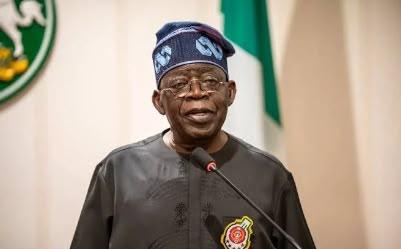
President Bola Tinubu has rejected calls for Nigeria to return to the fuel subsidy regime, insisting that his administration will continue with the economic reforms introduced since he assumed office in 2023.
Tinubu stated this on Thursday in his Independence Day address as Nigeria marked its 66th anniversary.
The President acknowledged that the reforms had brought difficulties for Nigerians but maintained that they were necessary to confront longstanding structural problems in the economy.

“Our reforms did not create the weaknesses in our economy. They confronted them,” Tinubu said.
He warned against calls to reverse the reforms and restore subsidies, describing such demands as a “siren song” that Nigerians should resist.
Tinubu compared Nigeria’s pre-reform economy to a seriously ill patient receiving temporary relief instead of treatment for the underlying condition.
“For too long, Nigeria’s leaders chose morphine while praying for a miracle that never came,” he said.
The President argued that previous economic arrangements consumed substantial public resources while postponing difficult decisions and passing their consequences to future generations.
Defending his administration’s economic record, Tinubu said Nigeria’s economy had grown by more than four per cent in 2026, with both oil and non-oil sectors contributing to growth.
He also said oil theft had declined, inflation had fallen substantially from its peak, foreign reserves had improved, and the foreign exchange market had become more stable.
According to the President, Nigeria recorded more than $6 billion in non-oil export revenue in 2025, which he described as the highest in the country’s history.
Tinubu further said international observers, institutions and the private sector had recognised improvements in Nigeria’s economic stability and resilience.
He declared that the country had reached what he described as a turning point, saying the administration would now concentrate on reducing the cost of living, creating jobs, expanding production and promoting broader prosperity.
“Our priority is to bring down the cost of living,” the President said, adding that the government intends to achieve this by reducing the cost of producing and transporting goods consumed by Nigerians.

Tinubu said the government would continue investments in agriculture, infrastructure, industrial development, digital connectivity and skills development while providing support for vulnerable households.
He maintained that the difficult phase of correcting the country’s economic direction had laid the foundation for the next stage of the administration’s programme.
“The age of reform has done its work. Now begins the age of prosperity,” Tinubu said.
Tinubu announced the end of the petrol subsidy during his inauguration on May 29, 2023, and has continued to defend the policy amid concerns over its impact on transportation costs, prices and household incomes.