RismadarVoice Reporters
October 1, 2026
Japan has revised its permanent residency requirements for foreign nationals, introducing stricter income, pension and Japanese-language standards as the government moves to tighten immigration regulations.
The revised guidelines were announced on Thursday, October 1, with most of the new requirements scheduled to apply to permanent residency applications submitted from April 1, 2027.
Under the new guidelines, immigration authorities will consider whether an applicant’s household income has consistently exceeded the average income of a Japanese household of comparable size.

Applicants will also be assessed on their expected pension benefits, financial independence and ability to maintain a stable life without becoming dependent on public support.
The revised system introduces a Japanese-language requirement, with applicants generally expected to demonstrate proficiency equivalent to at least B1 level under Japan’s language education framework.
Authorities said the language requirement is intended to ensure that permanent residents can adapt to their communities and participate in everyday social life.
Certain applicants, including some highly skilled foreign professionals, their family members and people who have received sufficient primary or secondary education in Japan, may be treated differently under the guidelines.
Applicants will also be assessed on their understanding of Japanese institutions, laws and social rules.
The changes come alongside a substantial increase in immigration-related fees.
From Thursday, the fee associated with obtaining permanent residency increased from ¥10,000 to ¥200,000.
Applications received by September 30 will remain subject to the previous ¥10,000 fee even if approval is granted after October 1.
The sharp increase prompted large numbers of foreign residents to visit immigration offices ahead of the deadline, with Tokyo’s main immigration office experiencing lengthy queues earlier in the week.
The permanent residency changes come as Japan continues to confront a declining birth rate, ageing population and labour shortages while simultaneously debating how to manage its growing foreign population.
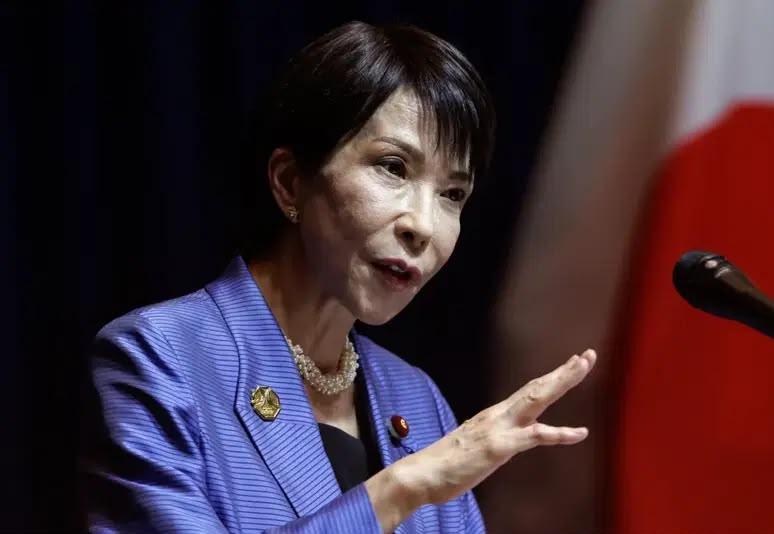
Prime Minister Sanae Takaichi’s government has promoted what it describes as an approach of orderly coexistence between Japanese citizens and foreign residents.

Supporters of tighter immigration rules have called for clearer standards and stronger enforcement, while businesses and other groups have stressed the importance of foreign workers to sectors struggling with labour shortages.
Japan has experienced significant growth in its foreign population in recent years, increasing the political attention given to immigration, residency requirements and integration.
Permanent residency provides foreign nationals with greater long-term security because, unlike many other residence statuses, it is not tied to a particular occupation or limited period of stay.
The revised permanent residency guidelines will largely take effect from April 1, 2027, although some provisions concerning financial requirements apply to certain applications submitted before that date.