RismadarVoice Reporters
September 27, 2026
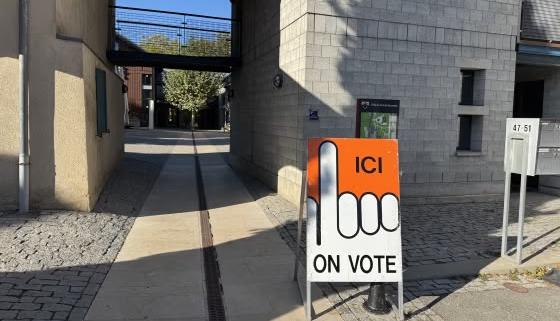
Swiss voters appeared to reject on Sunday a proposal that would impose stricter neutrality rules and restrict the country’s ability to cooperate with NATO or independently impose economic sanctions.
Early referendum projections indicated that more than two-thirds of voters were rejecting the initiative, which sought to introduce a more restrictive definition of Switzerland’s longstanding neutrality into the country’s constitution.
The proposal would have constitutionally established Switzerland as permanently and militarily neutral and restricted its participation in military or defence alliances.

It would also have significantly limited Switzerland’s ability to impose sanctions against countries involved in armed conflicts unless such measures were approved by the United Nations Security Council.
Switzerland’s neutrality has been internationally recognised since 1815, but the country has maintained flexibility in how the policy is implemented.
The referendum followed renewed debate over the meaning of neutrality after Switzerland adopted European Union sanctions against Russia following Moscow’s invasion of Ukraine in 2022.
Supporters of the initiative argued that the decision demonstrated an erosion of Switzerland’s traditional neutrality.
The proposal received backing from the right-wing Swiss People’s Party, SVP, while the Swiss government and most other major political parties opposed it.
Supporters maintained that stricter constitutional protections would help Switzerland remain outside international conflicts and preserve its longstanding role as a potential mediator.
Opponents argued that the proposal would restrict the government’s ability to respond to international crises and could weaken security cooperation with other European countries.
Foreign Minister Ignazio Cassis had also warned that stricter rules could restrict Switzerland’s ability to participate in military training and security cooperation with NATO.
Switzerland is not a member of NATO but has participated in the alliance’s Partnership for Peace programme since 1996.
Opinion surveys ahead of Sunday’s referendum had consistently indicated that the proposal faced significant opposition.
A 20 Minuten and Tamedia poll published earlier this month showed 68 per cent opposed to the initiative and 31 per cent in favour, while another survey commissioned by Swiss public broadcaster SRG SSR recorded 63 per cent opposition and 34 per cent support.

The debate centred heavily on Switzerland’s sanctions against Russia.
Supporters of the initiative argued that adopting sanctions against Moscow undermined the country’s neutral status, while opponents maintained that neutrality did not require Switzerland to remain economically inactive in response to violations of international law.
With the initiative heading for rejection, Switzerland is expected to retain its existing approach, under which the government and parliament have greater flexibility in determining how neutrality is applied to foreign and security policy.
Final referendum results were expected later on Sunday.