RismadarVoice Reporters
October 26, 2026
High-level delegations from Saudi Arabia, Pakistan and Turkey have gathered in Tehran for diplomatic talks aimed at preventing renewed hostilities involving Iran, Israel and the United States amid escalating tensions across the Middle East.
The discussions, scheduled for Monday, October 26, bring together senior security officials seeking to strengthen regional stability and revive diplomatic negotiations between Tehran and Washington.
The delegations include Saudi Defence Minister Prince Khalid bin Salman, Pakistan’s army chief, Field Marshal Asim Munir, and Turkish intelligence chief Ibrahim Kalin.

Iranian officials confirmed that the representatives would meet senior security authorities, including Supreme National Security Council Secretary Mohsen Rezaei, to discuss regional security challenges and possible measures to prevent further escalation.
Saudi Arabia said the engagement was intended to reduce tensions, promote dialogue and support mediation efforts involving Pakistan and Qatar.
Iranian Foreign Ministry spokesperson Esmail Baghaei said the discussions would address pressing regional security concerns, including Israeli military activities, developments in Palestine and Lebanon, and the consequences of American and Israeli operations against Iran.
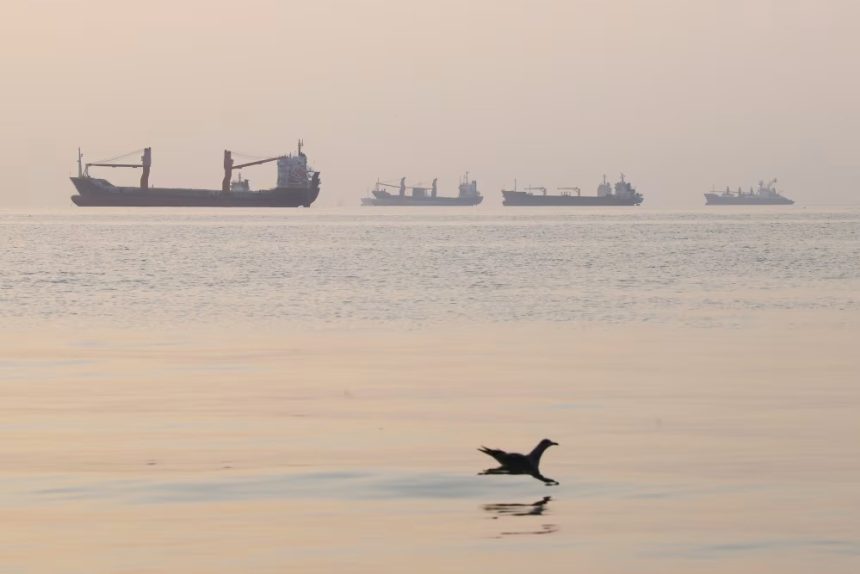
The meeting comes amid growing concerns about renewed military confrontation following months of hostilities that have disrupted regional security and maritime trade.
Pakistan and Qatar previously helped negotiate an interim agreement in June aimed at reopening the Strait of Hormuz, ending the American blockade of Iranian ports and creating a framework for broader negotiations on Iran’s nuclear programme.
However, the arrangement collapsed after renewed hostilities between Washington and Tehran.
Despite the diplomatic setbacks, Iranian authorities maintained that communication channels with Washington remained open through intermediaries.
Baghaei accused the United States of insisting on unacceptable demands, stressing that Iran would not accept conditions amounting to complete surrender.

Meanwhile, Israeli Prime Minister Benjamin Netanyahu warned on Sunday that Iran or its regional allies could attempt attacks ahead of Israel’s parliamentary election on Tuesday.
Israel’s Defence Minister, Israel Katz, rejected suggestions that Israel intended to launch a pre-election attack against Iran but warned that any Iranian aggression would trigger a strong response.
Regional tensions have also intensified in Yemen, where Iran-backed Houthi rebels have increased attacks against Saudi Arabia and forces aligned with Yemen’s internationally recognised government.
On Monday, Houthi military spokesperson Yahya Saree claimed that the group had launched ballistic missile attacks against Saudi-backed forces in Aden and Lahj provinces. The claims could not be independently verified.
The diplomatic initiative comes ahead of Israel’s October 27 parliamentary election and the November 3 United States midterm elections, with regional governments seeking to prevent another major military escalation.