RismadarVoice Reporters
September 21, 2026
As the 81st session of the United Nations General Assembly gets underway, the UN is facing a changing political landscape in the Sahel, where governments are placing greater emphasis on sovereignty and strategic autonomy.
For more than a decade, the UN’s most prominent security role in the region was its peacekeeping mission in Mali, known as the United Nations Multidimensional Integrated Stabilisation Mission in Mali, or MINUSMA.
Established by the UN Security Council in 2013, MINUSMA’s mandate was terminated in June 2023 at the request of Mali’s transitional government, with the mission completing its withdrawal by the end of that year.
However, the end of the peacekeeping operation did not mark the end of UN engagement in the Sahel.

The organisation continues its political activities through the UN Office for West Africa and the Sahel (UNOWAS), while other UN agencies remain involved in humanitarian assistance and development programmes across the region.
The UN’s current engagement is increasingly centred on diplomacy, mediation, humanitarian assistance and development rather than military deployments.
UNOWAS, which is a special political mission rather than a peacekeeping operation, focuses on preventive diplomacy, conflict prevention, political mediation and support for dialogue.
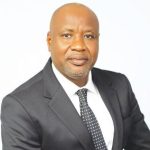
Political and security analyst Mubarak Aliyu said the UN’s ability to influence developments in the Sahel had become more limited as the region’s military-led governments establish alternative political and security arrangements.
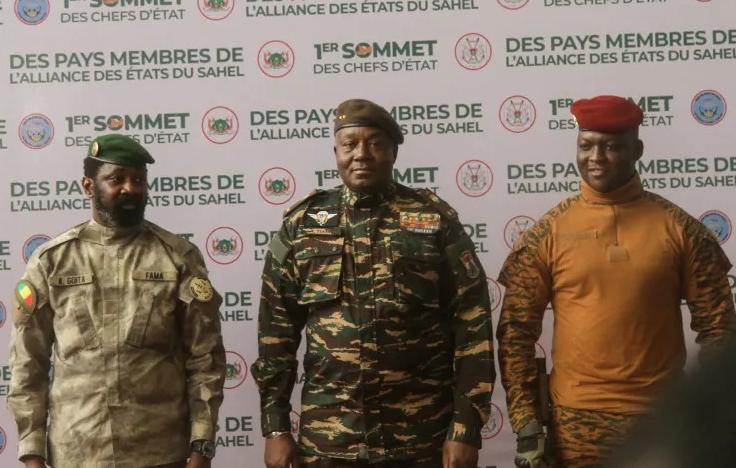
According to Aliyu, the Alliance of Sahel States, comprising Burkina Faso, Mali and Niger, has reduced some of the channels through which external institutions previously exercised influence.
In February 2026, the UN Security Council extended UNOWAS’s mandate until January 31, 2029, while ordering an independent strategic review of the mission’s mandate and activities, which is expected to be completed by September 30, 2026.

The review comes amid major political changes across West Africa, including the growing influence of military governments, new regional alliances and a stronger emphasis on national sovereignty.
Russia has also emerged as an important security partner for several governments in the region.
Aliyu said Russia’s Africa Corps had played a significant role in supporting military governments in Mali and Niger, while Moscow’s position as a permanent member of the UN Security Council also gives it influence over international decisions concerning the region.
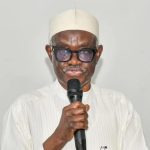
Kabir Adamu, founder and managing director of Beacon Security and Innovations Limited, said the UN should move away from large-scale troop deployments and concentrate more on diplomacy, governance and development.
He argued that future UN engagement should prioritise security-sector governance and reform, preventive diplomacy and measures aimed at addressing the underlying causes of conflict and instability.

Adamu also called for greater cooperation with regional organisations and initiatives rather than the creation of new large-scale international military structures.
He said the UN could help bridge differences between Sahelian and coastal countries while strengthening existing regional mechanisms such as the Multinational Joint Task Force and the Accra Initiative.
Burkina Faso, Mali and Niger formally withdrew from the Economic Community of West African States on January 29, 2025, after years of political tensions with the regional bloc.
The three countries have since strengthened cooperation under the Alliance of Sahel States, with sovereignty and strategic autonomy forming key elements of their political agenda.
The development has altered West Africa’s traditional regional security and political framework.
Although the UN continues to work with organisations such as ECOWAS and the African Union, the region is no longer operating within a single political framework, making international mediation and engagement more complex.

Adamu said the UN should adopt a pragmatic and inclusive approach that recognises the region’s fragmented security architecture and strengthens cooperation between different regional actors.
Despite the reduction in the UN’s military presence, the problems that have affected the Sahel remain.
Armed violence, displacement, organised crime, food insecurity and climate-related pressures continue to affect communities across the region.
Environmental and economic challenges can further deepen existing vulnerabilities, particularly in areas where state institutions are weak, and communities are already experiencing conflict and displacement.
Humanitarian assistance therefore remains one of the areas where the UN can maintain engagement, even as governments become increasingly reluctant to accept large-scale external military intervention.
Adamu said the organisation should strengthen efforts around governance, resilience and security while incorporating climate-related peace initiatives and empowering local communities.

The 81st session of the UN General Assembly opened on September 8, 2026, with the General Debate scheduled to begin on September 22.
The gathering comes at a time when the UN no longer has a peacekeeping mission in Mali and Burkina Fasoand, and Mali and Niger have moved outside ECOWAS, while the Alliance of Sahel States has developed its own framework for political and security cooperation.
Aliyu said the UN’s role had consequently shifted closer to that of an advocate and service provider rather than a direct shaper of political and security outcomes.
The organisation can continue to provide humanitarian assistance, support dialogue, report on regional developments and advocate for humanitarian access, but its ability to compel governments or determine their security partnerships remains limited.
For the Sahel, however, insecurity, displacement, humanitarian needs and economic and climate pressures remain pressing concerns.
In this changing environment, the UN’s influence is increasingly likely to depend on diplomacy, humanitarian access and cooperation with regional actors rather than the large-scale military presence that once defined its engagement in Mali.