




RismadarVoice Reporters
September 13, 2026
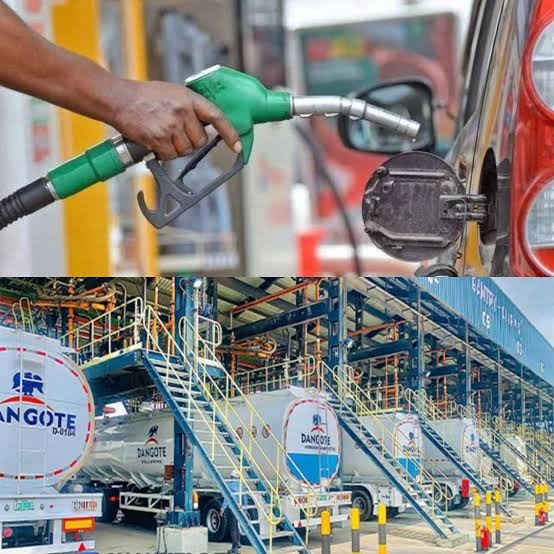
Nigerians may face another round of rising living costs after Dangote Petroleum Refinery raised petrol prices by 6.7 per cent.
The refinery raised its petrol gantry price from N1,265 to N1,350 per litre, effective September 12, 2026, according to a notice issued to its customers.
It also directed customers with existing loading arrangements to return their Automated Truck Certificates for repricing before loading resumes.
The latest increase is expected to raise the cost of petrol for marketers and could lead to higher pump prices across the country, particularly in inland markets where transportation costs are higher.

Industry estimates suggest petrol could sell for between N1,400 and N1,500 per litre in Abuja, while prices in cities such as Kano, Kaduna and Jos could rise to between N1,450 and N1,600, depending on supply and logistics costs.
Diesel prices are also expected to remain high, with inland prices potentially reaching N2,100 to N2,400 per litre.
The Industry Competency Centre’s latest Energy Bulletin put the seven-day average domestic petrol price at N1,308.33 per litre and diesel at N1,855.97. Brent crude averaged $98.74 per barrel during the period, while Bonny Light stood at $104.65.
Chief Executive Officer of Petroleumprice.ng, Olatide Jeremiah attributed the increase to rising international crude oil and freight costs.
He warned that petrol prices could reach N1,500 per litre in major Nigerian cities if geopolitical tensions and high crude prices persist.
The Vice President of the Oil and Gas Service Providers Association of Nigeria, Lawal Kamaldeen, said the latest increase would place additional pressure on households and businesses.
He warned that higher petrol prices would increase transportation, logistics, agricultural and operating costs, potentially pushing up the prices of food and other essential goods.
Kamaldeen called for targeted government support for locally refined petroleum products, including competitive crude supply to domestic refineries and a review of applicable taxes and levies.

Executive Director of Spaces for Change, Victoria Ibezim-Ohaeri, also warned that prolonged fuel-price increases could weaken household purchasing power and increase business costs.
She urged the government to use additional oil revenues to build fiscal buffers while providing targeted support for vulnerable households, food transportation and agricultural production.
Economist Clifford Egbomeade said the immediate impact of higher crude prices would be a broader cost shock, affecting diesel, transportation, freight and other energy-intensive activities.
He said the pressure could further squeeze business margins and household incomes if the increase persists.