

RismadarVoice Reporters
May 17, 2026
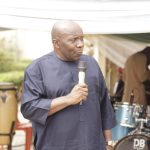
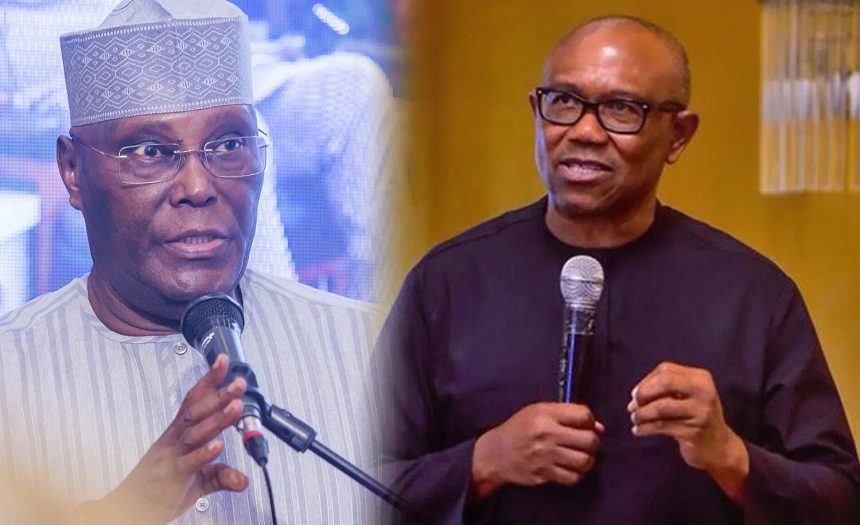
Former Director-General of the Obi-Datti Presidential Campaign Council, Akin Osuntokun, has explained why opposition parties may struggle to unite behind a single presidential candidate ahead of the 2027 general elections, citing conflicting political interests and differing visions among key actors.
Speaking in an interview, Osuntokun said the inability of opposition figures such as Peter Obi, Atiku Abubakar and Rabiu Kwankwaso to align under one platform could strengthen the chances of the ruling All Progressives Congress (APC) in future elections.
According to him, while a united opposition would ordinarily pose a stronger challenge, political realities and disagreements over issues such as power rotation continue to complicate efforts toward a common front.
He explained that Peter Obi’s decision to leave the coalition arrangement involving the African Democratic Congress (ADC) was linked to concerns surrounding the zoning of the presidential ticket.

Osuntokun noted that remaining within such an arrangement could have left Obi in a position where he would likely play a secondary role, a situation he said conflicted with broader political principles and calculations.
Speaking on the Labour Party and the 2023 presidential campaign, the former campaign chief alleged that internal challenges within the party structure affected campaign operations.
He claimed that some party officials frustrated campaign efforts and accused certain individuals of prioritising personal interests over party objectives.
Osuntokun also maintained that the Obidient movement should not be viewed as synonymous with the Labour Party, describing it instead as a political movement built around Peter Obi.
On Nigeria’s broader political environment, he argued that the country’s challenges are largely structural and require deeper institutional reforms, including changes to governance and electoral systems.

He further expressed concern over the nation’s political and judicial systems, stressing the need for reforms aimed at strengthening democratic institutions ahead of future elections.