

RismadarVoice Reporters, June 11, 2026
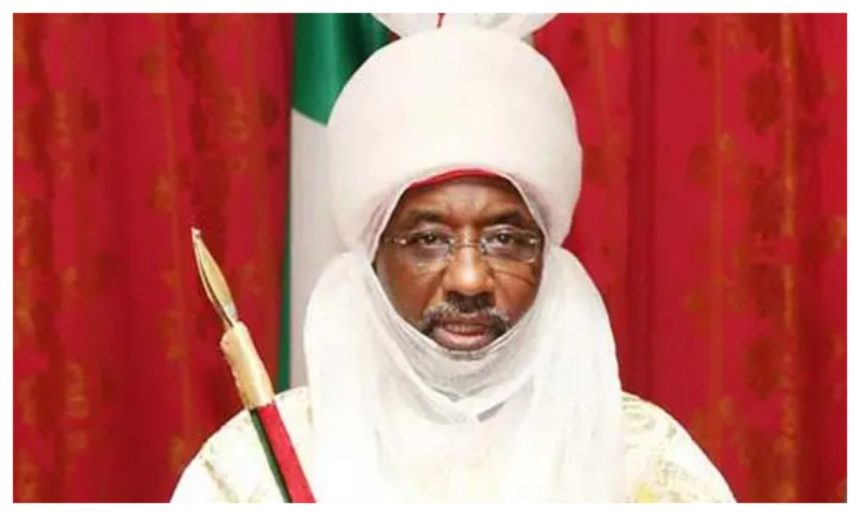
The Emir of Kano, Muhammadu Sanusi II, has called for decisive and sustained efforts to tackle poverty and inequality across Nigeria’s North-West region, stressing that every child deserves equal opportunities regardless of their economic background.
Sanusi appealed while delivering a keynote address at the High-Level North-West Policy Dialogue in Kano, where he urged policymakers and government officials to move beyond rhetoric and focus on practical measures capable of improving the lives of vulnerable citizens.
According to the monarch, a society’s progress should be measured by its ability to create opportunities and protect those most at risk.

“The true measure of a society lies in how well it expands opportunities and safeguards its vulnerable members. No child should be denied a future because of the poverty into which they were born,” he said.
The Emir expressed concern over the persistent poverty challenges facing the region, noting that the crisis is evident in poor educational outcomes, inadequate healthcare services, widespread child malnutrition, and rising unemployment levels.
He argued that meaningful progress would require strong political will, strategic planning, and sustained investment in human development, particularly among children and young people.
As part of his recommendations, Sanusi called on state governments in the North-West to establish long-term social investment frameworks backed by dedicated budget allocations for critical sectors such as education, healthcare, social welfare, and youth empowerment.
He also advocated the introduction of a minimum social protection package to ensure citizens have access to essential services throughout different stages of life, from childhood to adulthood.
Highlighting the importance of early childhood development, the Emir said investments in nutrition, early education, and parental support programmes are crucial to shaping future generations.
He noted that experiences during a child’s formative years often influence educational achievement, productivity, and overall wellbeing later in life.
Sanusi further urged governments to strengthen programmes targeted at out-of-school children, adult education, and vocational training, describing them as essential tools for reducing unemployment and improving economic opportunities.
The traditional ruler also emphasised the need to leverage traditional institutions in implementing social programmes and gathering community-level data, arguing that such institutions possess a deeper understanding of local realities and challenges.

In addition, he called for greater transparency and accountability in governance, urging state authorities to regularly publish the outcomes of social investment programmes and assess progress through annual performance reviews.
The Emir warned that failure to adopt bold and sustained interventions could worsen poverty levels in the region and place future generations at greater disadvantage.
He urged leaders to demonstrate commitment through action, noting that lasting development can only be achieved when investments are directed toward improving the welfare and prospects of the people.