

RismadarVoice Reporters
September 29, 2026
The Nigerian National Petroleum Company Limited has said it will not commit further resources to rehabilitating Nigeria’s state-owned refineries unless there is a clear and sustainable pathway to profitability.
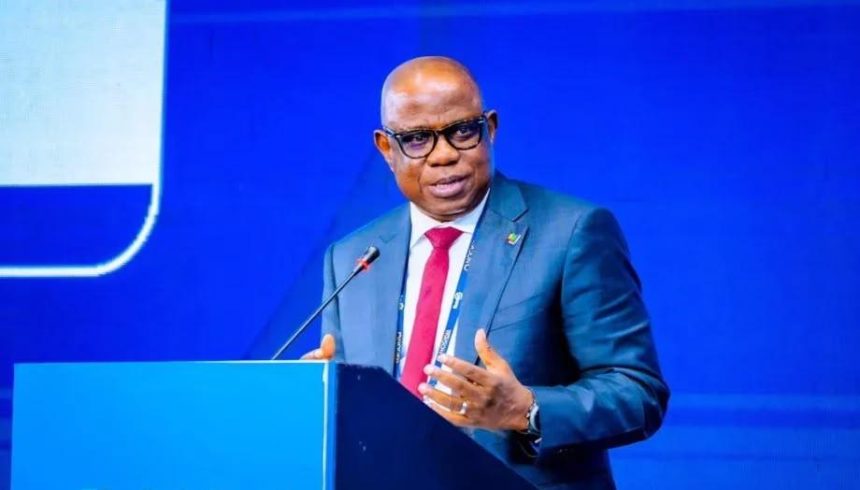
NNPC Group Chief Executive Officer, Bayo Ojulari, disclosed this on Tuesday in Abuja during a media engagement on the company’s 2025 audited financial results, achievements and strategic direction.
Nigeria’s government-owned refineries in Port Harcourt, Warri and Kaduna have undergone several rehabilitation and maintenance programmes over the years but have struggled to sustain commercial operations.
Ojulari said lessons from previous rehabilitation efforts had prompted NNPC to adopt a different model centred on technical equity partnerships.

Under the proposed arrangement, prospective partners would invest their own capital and technical expertise and share responsibility for the commercial performance of the refineries rather than operate solely as contractors paid by NNPC.
“Whoever is coming with us, we have to work together to make sure that the refinery can make money. And until we find a pathway for it to make money, we’re not going to go,” Ojulari said.
He said NNPC had made progress in identifying prospective technical equity partners for the Port Harcourt and Warri refineries, while Kaduna would be considered subsequently.
According to him, prospective partners conducted an intrusive due diligence exercise lasting about three months, involving more than 30 senior engineers working alongside NNPC technical teams.
Ojulari said the company had also subjected prospective Chinese partners to an extensive selection process, initially considering more than 50 companies before narrowing the field to about 20.
He stressed that no final partnership agreement had been reached.
According to him, NNPC and the prospective partners signed a memorandum of understanding to facilitate due diligence, after which technical and commercial proposals would be submitted and evaluated.
The NNPC chief also warned against proposals aimed at acquiring the refineries merely as scrap.
“There are those who are prepared to buy these refineries as scrap,” he said.
Ojulari maintained that NNPC’s objective was to identify credible solutions capable of returning the facilities to productive, technologically competitive and commercially sustainable operations.
He said assessments of previous rehabilitation plans had raised concerns that substantial investment could still leave the refineries technologically outdated within a few years.
NNPC therefore intends to consider modern technologies and operating practices capable of improving efficiency and ensuring that the facilities remain competitive.
Ojulari said prospective Chinese partners deployed more than 30 senior engineers for the due diligence exercise without charging NNPC, while an NNPC delegation also visited refining and petrochemical facilities in China.
According to him, some facilities inspected were operating at about 120 per cent of their original design capacities following optimisation and the removal of operational bottlenecks.

“We have to be at a standard where we can compete effectively in terms of quality or beat existing refinery standards. And we have to be looking forward, not just today,” he said.
Ojulari also addressed NNPC’s proposed Initial Public Offering, saying no date had been fixed for the company’s listing.
He said the immediate priority was to prepare the entire company to meet capital-market requirements rather than focus solely on the refineries.
NNPC is also restructuring business units that are currently unprofitable, with Ojulari saying investments would only be justified where there was a credible pathway to future returns.
“It cannot be a situation where you can look 10 years, you can’t see any pathway towards profitability,” he said.
Ojulari said NNPC’s broader objective was to become a globally competitive energy company capable of attracting investment based on its financial performance, governance and commercial prospects.
“In that world, you have to be the best. Capital should be looking for you, not you looking for capital,” he said.