RismadarVoice Reporters, June 11, 2026
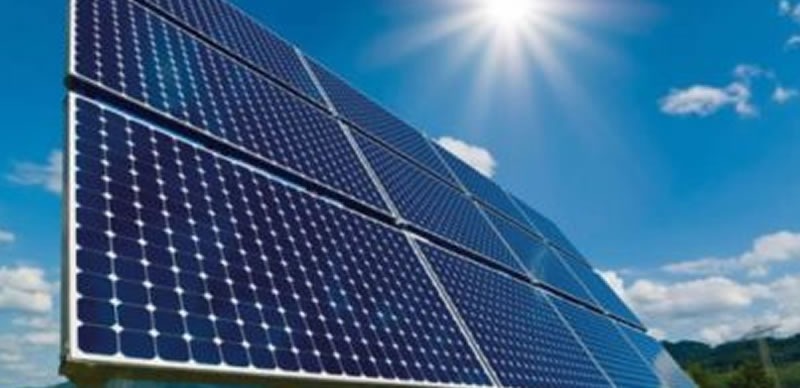
Nigeria is pursuing an ambitious plan to significantly expand its electricity generation capacity, with projections indicating that installed power generation could reach 209,000 megawatts by 2050, driven largely by investments in solar energy.
A report by IIR revealed that 53 large-scale solar power projects valued at approximately $11 billion are currently under development across the country, highlighting growing investor confidence in Nigeria’s renewable energy sector.
The projects form part of a broader strategy aimed at diversifying the nation’s energy sources, improving electricity supply, and increasing access to power, particularly in communities that remain underserved by the national grid.
According to the report, the ongoing solar developments are expected to play a major role in Nigeria’s long-term energy transition agenda, with solar power positioned as a key contributor to future electricity generation.

Alongside utility-scale solar projects, the Federal Government is intensifying efforts to expand rural electrification through mini-grids and off-grid renewable energy systems.
Under a nationwide programme coordinated by the Rural Electrification Agency (REA), more than 1,300 solar mini-grids and standalone power systems are being deployed to bring electricity to rural and underserved communities.
The initiative includes 250 interconnected mini-grids designed to feed electricity into the national grid, helping to improve energy stability and reduce dependence on diesel-powered generators.
The project is supported by $750 million in public funding and is expected to attract an additional $1.1 billion in private-sector investment.
REA Managing Director, Abba Aliyu, described the programme as one of the largest publicly funded renewable energy initiatives globally and a transformative step for Nigeria’s power sector.
He noted that the investment is expected to accelerate the deployment of about 1,350 mini-grids nationwide while encouraging greater participation from private investors.
Aliyu further stated that the Federal Government is positioning renewable energy as a viable alternative source of electricity and a critical component of the country’s long-term development strategy.
According to him, Nigeria possesses abundant renewable energy resources and is working towards becoming a leading renewable energy hub on the African continent.
He added that the government’s electrification strategy aims to provide electricity to approximately 17.5 million Nigerians within three years, representing about 20 per cent of the population.
The country has already made notable progress in the sector, with more than 1,000 mini-grid systems reportedly installed nationwide, many of them financed through REA interventions.
Nigeria’s Distributed Access through Renewable Energy Scale-up (DARES) programme, supported by the World Bank, is also contributing to the expansion of clean energy through solar mini-grids, standalone solar systems, and energy storage solutions.
The initiative seeks to replace more than 250,000 diesel generators while improving access to reliable and environmentally friendly electricity.
Data from the Global Solar Council shows that Nigeria added 803 megawatts of solar capacity in 2025, increasing the country’s total installed solar capacity to about 1,019 megawatts.
The renewable energy drive aligns with broader continental initiatives, including the World Bank-backed Mission 300 programme, which aims to connect 300 million Africans to electricity by 2030. Since its launch in January 2025, the initiative has reportedly provided electricity access to 44 million people across the continent.

Although gas-fired power plants remain Nigeria’s primary source of electricity generation, renewable energy currently contributes about 23 per cent of the country’s energy mix, largely through hydropower and solar installations.
The Federal Government has set a target of increasing renewable energy’s share of electricity generation to 30 per cent by 2030 and 82 per cent by 2050 as part of its broader energy transition plan and commitment to achieving net-zero carbon emissions by 2060.
With solar energy expected to account for the majority of future capacity growth, Nigeria’s long-term vision places renewable energy at the centre of efforts to meet rising electricity demand and support sustainable economic development.