RismadarVoice Reporters
July 30, 2026
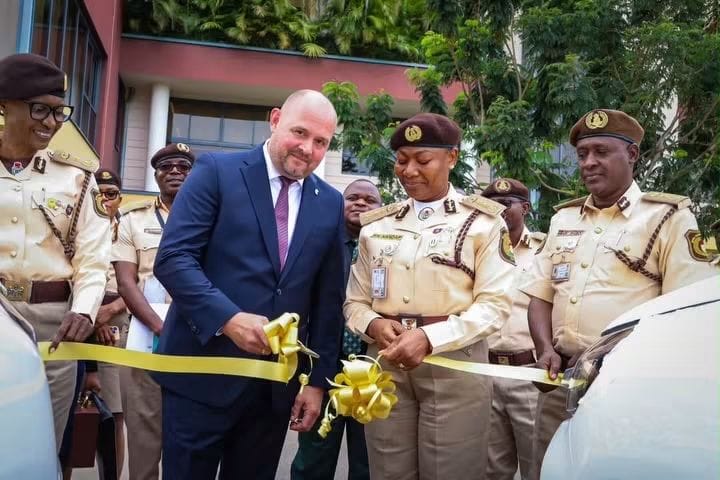
The Nigeria Immigration Service (NIS) has announced the receipt of operational vehicles donated by the German Federal Police, describing the gesture as another milestone in the growing partnership between Nigeria and Germany.
According to the Service, the vehicles will strengthen border security, improve migration management, and enhance operational capacity across the country.
While the announcement has been welcomed by immigration authorities, it has also sparked important national questions that deserve public discussion.
65 years after gaining independence, why is Nigeria still relying on foreign governments to provide operational vehicles for one of its most strategic security agencies?
Nigeria has one of the largest economies in Africa and allocates substantial public funds to security every year. Yet, foreign governments continue to provide equipment that should arguably form part of the routine operational assets of key national institutions.

Is this simply the reality of modern international security cooperation, where countries routinely support one another against transnational threats? Or does it expose deeper concerns about how Nigeria equips and funds its own security agencies?
If the Nigeria Immigration Service requires external support for operational mobility, what does this say about the adequacy of budgetary allocations and the implementation of procurement plans?
How many operational vehicles does the Service currently have? How many are functional? Were existing resources insufficient, or are border security demands expanding faster than government investment?
These are not criticisms of the officers and personnel of the Nigeria Immigration Service, who continue to carry out demanding responsibilities across Nigeria’s vast land and air borders. Rather, they are legitimate questions about national priorities and public accountability.

Germany’s support reflects strong diplomatic relations and international cooperation. Around the world, security agencies often work together through training, intelligence sharing, and equipment support. However, many Nigerians may still wonder whether a country of Nigeria’s size and strategic importance should depend on donated vehicles to strengthen such a critical institution.
As insecurity, illegal migration, arms trafficking, and cross-border crimes continue to challenge the nation, many Nigerians are asking whether the country should still depend on foreign governments for essential operational assets after 65 years of independence.
The conversation now extends beyond the donated vehicles. It touches on self-reliance, governance, budget implementation, transparency in security spending, and the long-term sustainability of Nigeria’s security architecture.