RismadarVoice Reporters, May 15, 2026
Nigeria has reaffirmed its commitment to strengthening cooperation with BRICS nations and advancing partnerships within the Global South as the bloc marks 20 years since its establishment.
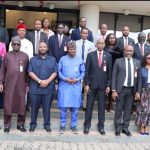
The commitment was reiterated during the 18th BRICS Foreign Ministers’ Meeting held in New Delhi, India, chaired by India’s External Affairs Minister.

Representing the Federal Government at the meeting, the Permanent Secretary of the Ministry of Foreign Affairs, Umar Ahmed Dunoma, described BRICS as a critical platform for promoting innovation, resilience, sustainable development and cooperation among emerging economies.
Dunoma said Nigeria was prepared to deepen collaboration with BRICS member states, highlighting ongoing economic reforms aimed at reducing the country’s dependence on oil while expanding agriculture, manufacturing and the service sector.
He also underscored Nigeria’s leadership role within ECOWAS in the areas of peacebuilding and regional security.
The Permanent Secretary further drew attention to Nigeria’s growing technology ecosystem, referencing initiatives such as the Digital Literacy for All (DL-4-ALL) programme and the 3 Million Technical Talent (3MTT) scheme.
According to him, stronger collaboration among BRICS countries in technology transfer, digital innovation and knowledge exchange would support economic growth and human capital development across developing nations.
Dunoma also advocated the expansion of the BRICS New Development Bank to enhance infrastructure financing and support sustainable development projects.

On climate action, he noted Nigeria’s commitment to achieving net-zero emissions by 2060 through investments in renewable energy and green financing initiatives.
He reaffirmed Nigeria’s support for the Paris Agreement and the United Nations Sustainable Development Goals, adding that the administration of President Bola Tinubu remains focused on fiscal discipline, economic transformation and long-term national development.