


RismadarVoice Reporters, August 30, 2026
Authorities in Nepal have begun mass burials of unidentified victims of devastating flash floods and mudslides that swept through parts of the Himalayan region, as families continue searching for thousands of people reported missing after the disaster.
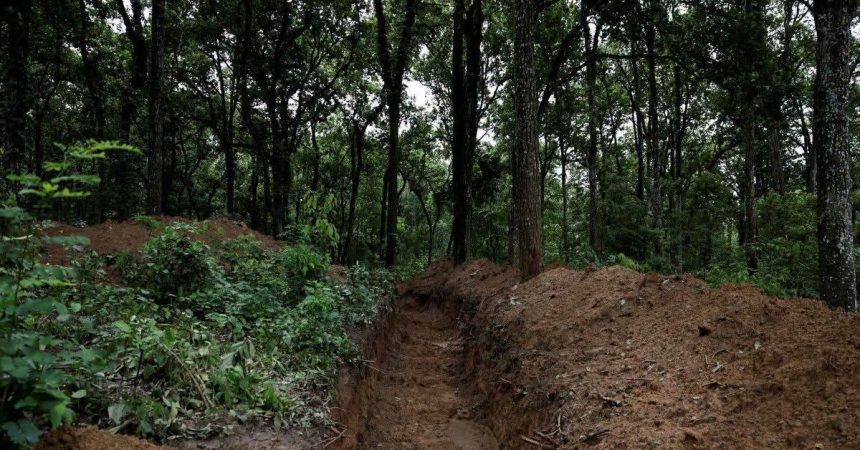
The burials are taking place at the Devghat forest area in Chitwan district, located about 200 kilometres from the flood-ravaged valleys of Rasuwa, where the disaster occurred.
Officials said the decision to bury the unidentified bodies was taken due to concerns over public health risks caused by rapid decomposition. The authorities said many of the recovered bodies were severely damaged and could no longer be identified through normal procedures.
Ganesh Arya, chief district officer of Bharatpur in Chitwan, said the authorities had no alternative after the condition of the bodies deteriorated.

“We were left with no other option and had to take this step. Our concern was the risk to public health posed by the rapid decomposition of the bodies,” Arya said.
Authorities buried 96 unidentified bodies on Saturday and planned to bury more than 100 additional victims on Sunday, while rescue teams continued recovering bodies from rivers and debris across affected communities.
The flash floods, triggered by a glacial collapse along the Nepal-China border, have killed about 750 people, while more than 3,000 others remain missing, according to authorities.
Advertisement
Rescue workers, police officers and government officials are involved in documenting the victims, collecting identification details, assisting families and preparing bodies for burial.
Officials said a detailed record system has been established at each burial site, with identification markers placed above and below ground. Precise location data and DNA samples have also been collected to enable future identification and possible exhumation if relatives are later able to confirm the identities of victims.

India has sent a forensic team to support DNA analysis efforts, while Nepal is also working with Chinese authorities on identification procedures.
At Bharatpur Hospital, officials reported difficult conditions as hundreds of recovered bodies were being handled. Many bodies showed signs of advanced decomposition after spending days in floodwaters, overwhelming facilities designed to accommodate fewer remains.
Inspector Anil Thapa, who is overseeing one of the temporary facilities, said many of the recovered bodies were beyond recognition.
“Of the bodies we have recovered so far, more than half are beyond recognition. Many have no visible faces,” Thapa said.
A temporary identification centre has been established at the Chitwan Expo Centre, where grieving families have gathered in search of missing relatives. More than 200 people reportedly waited outside the facility hoping to identify loved ones among recovered victims.
Authorities have also converted an old building into a temporary storage facility for bodies awaiting identification, with cooling equipment being used to slow decomposition.


As recovery operations continue, emergency teams are facing increasing challenges in managing the number of bodies being recovered. A vehicle carrying 13 bodies arrived at one facility, while ambulances remained stationed nearby to transport additional remains.
Families affected by the disaster continue to wait for information about their missing relatives as rescue operations and identification efforts continue across the affected regions.