RismadarVoice Reporters
October 16, 2026
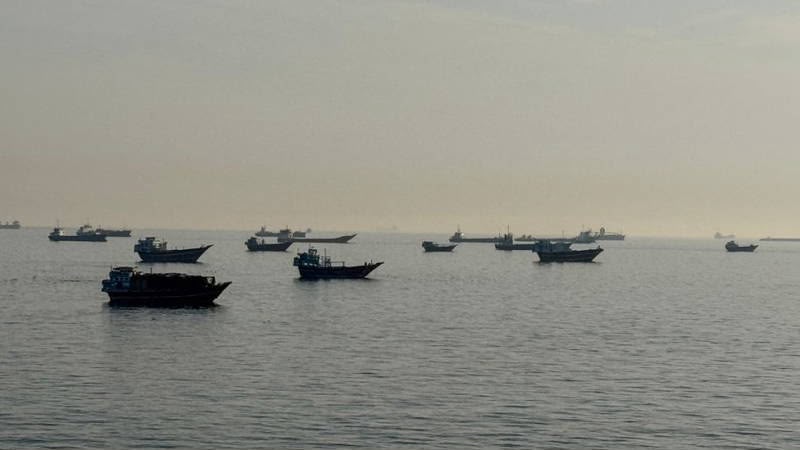
Nigeria and Ghana have reaffirmed their commitment to strengthening regional fisheries management and maritime surveillance to combat illegal fishing activities across the Gulf of Guinea.
The commitment followed a bilateral meeting in Accra between Nigeria’s Minister of Marine and Blue Economy, Dr Adegboyega Oyetola, and Ghana’s Minister for Fisheries and Aquaculture Development, Emelia Arthur.
The discussions focused on improving fisheries regulation, strengthening monitoring and enforcement mechanisms, and promoting the sustainable management of marine resources shared by both countries.

Oyetola, who also serves as President of the Fisheries Committee for the West Central Gulf of Guinea (FCWC), emphasised the importance of coordinated regional action against illegal, unreported and unregulated fishing.
He identified illegal fishing as a major challenge affecting marine biodiversity, food security, government revenue and the economic wellbeing of coastal communities.
According to a statement issued by his Special Adviser, Dr Bolaji Akinola, the minister also engaged officials of the FCWC Secretariat and the Regional Monitoring, Control and Surveillance Centre in Tema, Ghana.
The engagements were aimed at strengthening cooperation among maritime authorities, improving the exchange of fisheries intelligence and enhancing the monitoring of fishing vessels operating within the subregion.
During the discussions, Oyetola highlighted Nigeria’s pilot implementation of the Regional Record of Authorised Fishing Vessels as an important initiative for improving transparency and regulatory compliance.
The framework is designed to facilitate the verification of fishing vessel authorisations and support information sharing among participating countries.
He proposed closer technical cooperation between Nigeria and Ghana to identify discrepancies in vessel registration and authorisation records, while developing coordinated procedures for addressing irregularities.

According to the minister, improved information sharing would help regulatory authorities distinguish authorised fishing operations from activities that violate national and regional fisheries regulations.
Oyetola also stressed the importance of protecting marine resources while expanding sustainable fisheries production and supporting communities whose livelihoods depend on fishing and related economic activities.
“Our shared interest is to protect fisheries resources, expand sustainable production and strengthen the livelihoods of our people,” he said.
He reaffirmed Nigeria’s commitment to working with Ghana and other regional partners to strengthen fisheries governance and promote responsible exploitation of marine resources.
The renewed engagement is expected to support closer operational coordination, improved vessel monitoring and more effective enforcement of fisheries regulations across the Gulf of Guinea.
Both countries are seeking to strengthen existing regional cooperation mechanisms to address illegal fishing, protect coastal economies and ensure the long-term sustainability of marine resources.