RismadarVoice Reporters
July 30, 2026
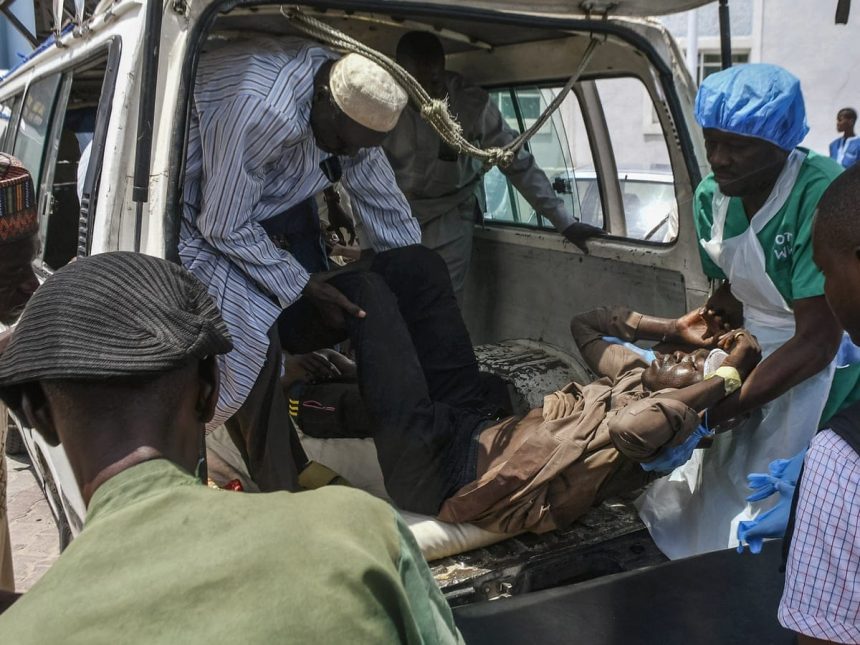
Armed attackers reportedly invaded Naridon community in Kaura Local Government Area of Kaduna State, killing at least 30 people, injuring many others, and forcing terrified families to flee as homes were set ablaze.
By dawn, what remained was a community in mourning and another painful reminder of Nigeria’s persistent security crisis.
This was not merely another attack. It was another test of Nigeria’s ability to fulfil its most fundamental responsibility: the protection of lives and property.
For years, communities across Kaduna and other parts of northern Nigeria have repeatedly suffered violent attacks. After each incident comes familiar assurances: investigations are launched, condolences are issued, and security operations are intensified.
Yet many affected communities continue to ask the same question: Why does this keep happening?
The latest killings have renewed concerns about intelligence gathering, response times, rural security, and the protection of vulnerable communities.

Security experts have consistently argued that military operations alone cannot solve the crisis without stronger intelligence, improved coordination among security agencies, and sustained protection for communities at risk.
Beyond the statistics are families whose lives have been permanently changed. Children have lost parents.
Breadwinners have been buried. Farmers fear returning to their fields. Businesses have shut down. Entire communities face the difficult task of rebuilding after unimaginable loss.
The Kaduna tragedy also raises broader national questions. What lessons have been learned from previous attacks? Have recommendations from past investigations been implemented? What measurable steps are being taken to prevent similar attacks from occurring again?

These are questions that deserve clear answers not only for the victims of Naridon, but for millions of Nigerians who continue to hope that lasting security will replace recurring tragedy.
As investigations continue, the country will be watching closely. Justice for the victims will depend not only on identifying those responsible, but also on addressing the systemic failures that allow such attacks to recur.
For the people of Naridon, however, justice begins with something much simpler: ensuring that no other Nigerian community has to endure the same fate.