

RismadarVoice Reporters
September 1, 2026
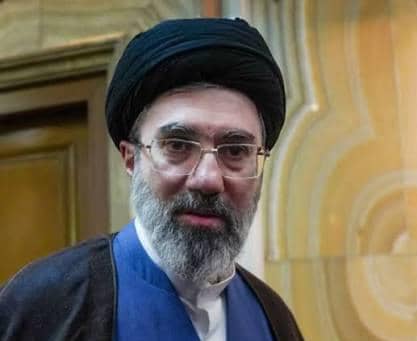
Iranian Supreme Leader Mojtaba Khamenei has called on Muslim nations, particularly countries bordering the Persian Gulf, to strengthen cooperation and stand together against what he described as their “real enemy.”
appealedthe appeal in a written message released through his Telegram account during Islamic Unity Week, an annual observance marking the birth of the Prophet Muhammad.
In the message, he urged Muslim countries to cooperate across several areas, including security and mutual defence. He warned that efforts to create divisions among Muslims, whether deliberate or accidental, ultimately benefit their opponents.
Khamenei also pointed to the plight of Palestinians, questioning whether they would have been left in such a vulnerable position if Muslim countries had acted together.
The Iranian leader has not appeared publicly since he was reportedly wounded in U.S.-Israeli airstrikes about six months ago. The attacks triggered the war with Iran and killed his father and predecessor, Ayatollah Ali Khamenei.
Despite his absence from public view, several written statements have been attributed to him in recent months.

His latest message follows a similar appeal to unity made to Iranians on Friday. On that occasion, Khamenei said he had prohibited actions that could damage social cohesion and called on officials to avoid statements that could undermine public confidence and morale.
Message directed at Gulf monarchies
Khamenei’s latest remarks were particularly directed at the rulers of Arab states in the Gulf.
He questioned whether unnamed “rogues without identity” would have been willing to pursue the territory and resources of Gulf countries if their governments and populations had been united under what he called the banner of Islam.
Relations between Iran and the Gulf Arab monarchies have been strained for decades. Since Iran’s 1979 Islamic Revolution, several Gulf governments have regarded Tehran’s revolutionary ideology, opposition to monarchies and regional activities as potential threats to their political stability.
Those tensions have intensified during the current conflict. Iran has launched attacks on U.S. military installations and other infrastructure in Gulf countries, increasing concerns among Tehran’s Arab neighbours.
“My emphatic and repeated recommendation to the rulers of Islamic countries, especially the countries of West Asia and the Gulf, is to identify your real enemy, understand his plan and confront it,” Khamenei said.
War puts further pressure on Iran’s economy
The conflict and international sanctions have also placed growing pressure on Iran’s economy.
Iranian officials have acknowledged the impact of restrictions on trade and the wider economic disruption caused by the war. President Masoud Pezeshkian said Iranian imports and exports had fallen by nearly 35% as a result of U.S. sanctions and a naval blockade affecting Iranian ports.
Pezeshkian nevertheless said Iran had managed to sell about 90 million barrels of oil during a temporary understanding reached with Washington in June, when the United States allowed Iranian oil exports.
The agreement, signed on June 17, subsequently broke down amid disagreements between the two sides, including disputes over arrangements involving the strategically important Strait of Hormuz.
Pezeshkian later called for the interim agreement to be revived, arguing that diplomacy could provide a route for Iran to ease economic pressure and secure concessions.

“We can solve our problems and gain our privileges with the memorandum of understanding,” he said on state television.
The proposed arrangement had included immediate sanctions relief for Tehran and the release of Iranian assets frozen overseas.
Meanwhile, Iranian authorities say tackling the economic consequences of sanctions and war remains a priority. Measures under consideration include controlling inflation, stabilising markets, supporting employment, directing investment toward domestic industries and gradually reducing the country’s reliance on the U.S. dollar.
Despite the economic difficulties, Tehran has continued to signal that it will resist U.S. pressure while keeping diplomatic channels open. Iranian officials have also maintained that they retain control over the Strait of Hormuz, a crucial global energy route whose disruption could have significant consequences for international oil markets.