RismadarVoice Reporters
September 27, 2026
Iran says it is still awaiting a formal response from the United States to its seven-day proposal for reopening the Strait of Hormuz despite President Donald Trump publicly rejecting the plan.
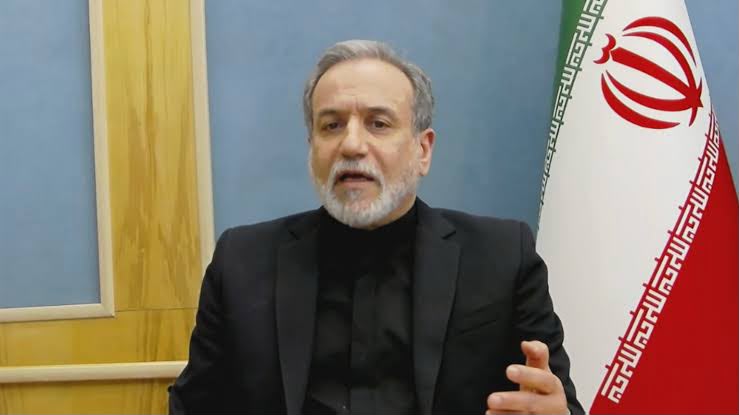
Iranian Foreign Minister Abbas Araghchi said Tehran had heard Trump’s initial reaction but had yet to receive Washington’s final position through mediators.
“We have heard the first reaction from the US president, but nothing has yet been conveyed to us by the mediators,” Araghchi said.
“We are waiting for the final position to be conveyed through the mediators, and we will decide based on that.”
Trump had earlier rejected Tehran’s proposal, saying Iran was “losing so badly” and that he would not accept the deal as presented.
“I reject their proposal,” Trump told reporters.
Iran’s proposal outlines a seven-day process intended to end hostilities and restore normal commercial passage through the Strait of Hormuz.
Tehran says implementation would depend on Washington meeting several conditions, including releasing frozen Iranian assets, lifting sanctions on Iranian oil exports and ending the US naval blockade of Iranian ports.
Iran has said that if the conditions are fulfilled, the strategic waterway could reopen and negotiations towards a broader agreement could begin.

Araghchi maintained that Tehran remained open to diplomacy but would not abandon its stated conditions under pressure.
Iranian President Masoud Pezeshkian, meanwhile, said Tehran had lost confidence in negotiations with Washington, arguing that previous diplomatic engagements had been followed by military action and additional sanctions.
Pezeshkian said Qatar and Pakistan were helping relay messages between Tehran and Washington as efforts continued to find a diplomatic solution.
The Iranian president nevertheless maintained that negotiations remained possible if Washington demonstrated what Tehran considered a genuine commitment to an agreement.
The Strait of Hormuz has become one of the central issues in the confrontation because of its importance to international energy shipments and maritime trade.
In a separate development, Saudi Foreign Minister Prince Faisal bin Farhan Al Saud used his address at the United Nations General Assembly to call for greater international cooperation to protect freedom of navigation.

The Saudi foreign minister said security in the Arabian Gulf was closely connected to regional stability, global energy security and international trade.
He also called for efforts to preserve stability in Yemen and protect civilians amid continuing tensions involving Houthi forces.
The developments come as diplomatic contacts continue alongside the wider US-Iran confrontation, with Tehran awaiting what it describes as Washington’s formal position on its seven-day proposal.