RismadarVoice Reporters
October 25, 2026
A Yemeni human rights organisation, Rasd, has warned that more than 1,400 vulnerable patients face life-threatening risks as the continued Houthi blockade of Taiz disrupts access to fuel, medical supplies, oxygen and essential healthcare services.
The organisation raised the alarm in a statement reported by Yemen’s official Saba news agency on Sunday, October 25, describing the deteriorating humanitarian situation as a serious threat to civilians.
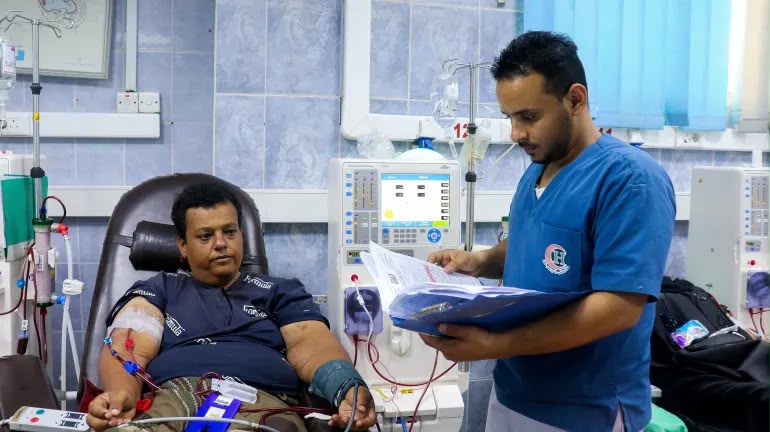
According to Rasd, 1,110 patients suffering from kidney failure are at risk of losing access to dialysis treatment, while 192 patients in intensive care and 154 newborns receiving treatment in incubators face similar dangers.
The group said approximately 120 dialysis sessions were required daily, warning that shortages of essential materials could interrupt treatment and cause preventable deaths.
Rasd attributed the crisis to restrictions imposed on Taiz since October 4, 2026, which have disrupted supply routes and prevented humanitarian assistance from reaching affected communities.
Citing UNICEF figures released on October 11, the organisation said 98 healthcare facilities were either partially operational or completely out of service.
It added that 42 medical facilities faced critical shortages of oxygen, medicines and other supplies, while 12 hospitals were at risk of suspending or reducing services because of insufficient fuel.

The organisation also expressed concern about food insecurity, reporting that humanitarian assistance had become inaccessible to hundreds of thousands of residents.
The United Nations has independently warned that the situation in Taiz is rapidly deteriorating, with road closures and continuing insecurity obstructing the delivery of food, medicine and fuel.
UN humanitarian officials said restrictions had effectively isolated the city for nearly three weeks, threatening healthcare, water supplies and other essential services.
The World Health Organisation also confirmed severe shortages affecting hospitals, including dialysis units, emergency departments, intensive care facilities and neonatal services.
The shortages have created additional difficulties for healthcare workers attempting to provide lifesaving treatment.
RASD warned that disrupted water supplies, poor sanitation and accumulating waste could increase the risk of infectious diseases, worsening an already fragile humanitarian situation.

The organisation called for the immediate reopening of supply routes and unrestricted humanitarian access to protect patients and vulnerable communities.
The United Nations has similarly urged Houthi authorities to facilitate the safe movement of civilians, humanitarian workers and essential supplies.
Humanitarian agencies warned that continued restrictions could lead to further disruption of medical services and deepen the suffering of residents already affected by years of conflict.