RismadarVoice Reporters, August 25, 2026
Concerns over Nigeria’s institutional oversight have intensified following the discovery of a second alleged fake government agency operating from within the federal government structure.
The latest case involves the National Brands Development and Made-in-Nigeria Special Project Office, which the Independent Corrupt Practices and Other Related Offences Commission (ICPC) said was an unauthorised organisation allegedly operating from a government building in Abuja.
ICPC Chairman, Dr Musa Adamu Aliyu, SAN, said the organisation was allegedly promoted by George Buchi Nwabueze, who reportedly operated using different variations of his name.

Following the ICPC briefing, President Bola Tinubu ordered Nwabueze’s arrest and suspended three permanent secretaries in the Office of the Secretary to the Government of the Federation (OSGF) over the matter.
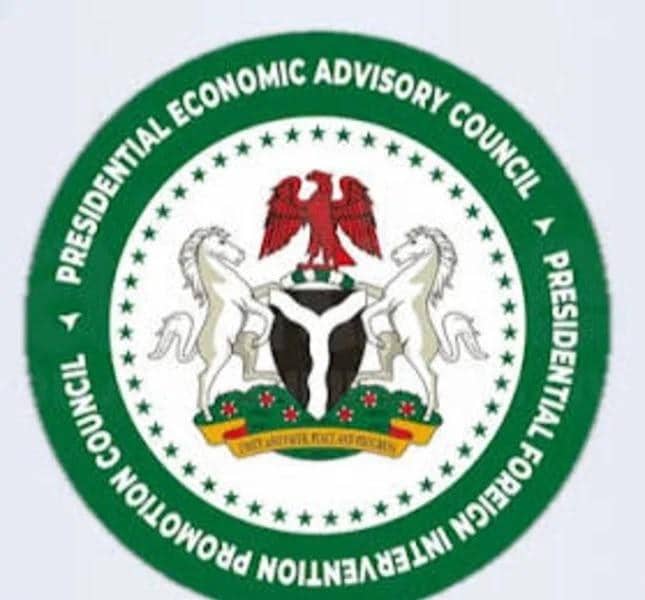
The development emerged during an ICPC investigation into the disputed Presidential Foreign Intervention Promotion Council (PFIPC), allegedly promoted by Adeniyi Adeyemi Matthew.
The PFIPC reportedly operated from the Federal Secretariat for about two years before the Presidency publicly disowned it as a fraudulent organisation.
The discovery has raised questions about how individuals and groups were able to establish and operate organisations resembling legitimate government institutions from official government premises without being detected.
Commentators, including Ya’u, Muhammad and others, warned that the situation could become more alarming if Nigeria’s oversight mechanisms remain weak.
They suggested that if such activities are not decisively addressed, the country could eventually witness increasingly elaborate forms of institutional impersonation potentially extending to fake states, governors and Houses of Assembly.

The controversy has therefore shifted attention beyond the individuals allegedly behind the organisations to the government officials and administrative systems that allowed them to operate within federal government facilities.
The cases also raise broader questions about verification, accountability and access to government buildings and official platforms, particularly where unauthorised bodies are able to project themselves as legitimate arms or agencies of government.