RismadarVoice Reporters, June 2, 2026
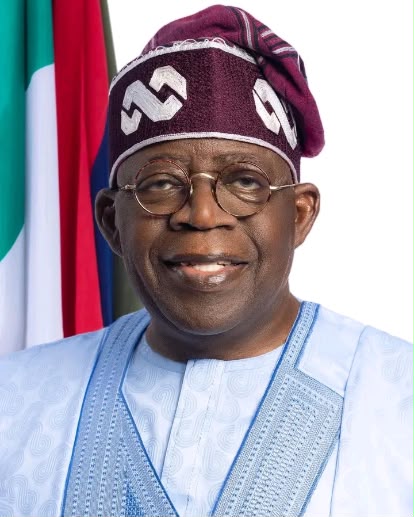
Economists and financial experts have expressed differing views on the economic performance of President Bola Tinubu’s administration as it marks three years in office.
President Tinubu, who assumed office on May 29, 2023, introduced major economic reforms, including the removal of fuel subsidy and the liberalisation of the foreign exchange market, policies that have significantly shaped Nigeria’s economic landscape over the past three years.
While the reforms have been credited with improving key macroeconomic indicators, they have also been blamed for worsening the cost of living and increasing hardship for many Nigerians.

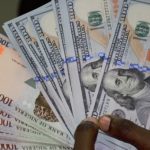
Economic data show that fuel prices have risen from about N238 per litre before the current administration took office to over N1,340 per litre, while the naira has depreciated sharply against the dollar. The increase in fuel and foreign exchange costs has contributed to higher prices of food, transportation and other essential goods and services.
Despite these challenges, Nigeria recorded a Gross Domestic Product (GDP) growth rate of 3.89 per cent in the first quarter of 2026, while foreign reserves rose to $49.58 billion, developments some analysts view as signs of gradual economic recovery.
Former President of the Chartered Institute of Bankers of Nigeria (CIBN), Okechukwu Unegbu, gave the administration a 20 per cent rating, arguing that the economic gains reflected in official statistics have not translated into improved living conditions for ordinary Nigerians.
According to him, high inflation, rising food prices, expensive fuel and increasing housing costs have made life more difficult for citizens.
Unegbu, however, acknowledged that the removal of fuel subsidy was necessary because of the corruption associated with the system, but stressed that adequate measures should have been put in place to cushion the impact on Nigerians.
He also credited the Governor of the Central Bank of Nigeria, Olayemi Cardoso, with helping to stabilise the economy amid prevailing challenges.
Professor of Accounting and Finance at Lead City University, Godwin Oyedokun, offered a more positive assessment, rating the administration between 55 and 60 per cent.
He described the government’s economic performance as a “work in progress,” noting that reforms in the foreign exchange market, increased government revenues, improved investor confidence and moderate economic growth have laid a foundation for long-term stability.
However, Oyedokun observed that many Nigerians are yet to feel the benefits of the reforms due to persistent inflation, high transportation costs and declining purchasing power.
According to him, the administration’s major challenge remains translating economic reforms into tangible improvements in the living standards of citizens.

Similarly, Chief Executive Officer of SD & D Capital Management, Gbolade Idakolo, rated the administration 50 per cent, stating that while the reforms helped prevent a potential fiscal crisis, they have also imposed significant hardship on Nigerians.
Idakolo said the removal of fuel subsidy and exchange rate deregulation were painful but necessary decisions that improved government finances and strengthened key economic indicators.
He noted that before the reforms, many state governments struggled to meet salary obligations while a significant portion of federal revenue was devoted to debt servicing.
Despite improvements in foreign reserves, exchange rate stability and investor confidence, Idakolo maintained that most Nigerians are worse off economically than they were in 2023.
He also expressed concern that government palliative measures have not provided the level of relief expected by struggling households.
Overall, the economists agreed that while the administration has undertaken bold economic reforms aimed at addressing long-standing structural problems, the benefits have yet to significantly improve the welfare of many Nigerians.
They noted that the ultimate measure of the success of the reforms would be their ability to improve living standards, reduce poverty and deliver meaningful economic relief to citizens in the years ahead.