RismadarVoice Reporters
October 21, 2026
The Anambra State Government has intensified surveillance against Ebola disease, disclosing that seven persons of interest are currently under active monitoring as part of measures to prevent the spread of the virus.
The Commissioner for Health, Dr Afam Obidike, disclosed this during a press briefing and emergency health stakeholders’ meeting in Awka on Wednesday.
Obidike confirmed that Anambra State had recorded no Ebola cases, stressing that individuals placed under public health monitoring should not be mistaken for infected patients.
According to him, the state’s Epidemiology Unit has been monitoring persons identified through the national disease surveillance system because of relevant travel or possible exposure histories.
He explained that 40 persons of interest had been followed up as of October 20, with 33 completing their monitoring periods and being cleared.
The remaining seven individuals are still undergoing follow-up and were reported to be in stable condition.
The commissioner said monitoring involves regular communication, symptom checks, documentation and prompt investigation of any health concerns.

He added that the identities and medical information of individuals under surveillance would remain confidential to prevent discrimination and unnecessary public anxiety.
The measures follow the Federal Government’s confirmation of an imported Ebola case in Abuja on October 20.
Health authorities disclosed that the patient, a woman with recent international travel history, was receiving medical care in isolation, while contact tracing had begun.
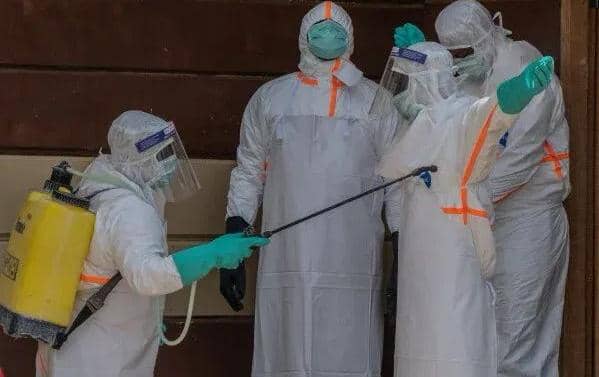
Obidike said Anambra had strengthened surveillance at airports, markets, motor parks, banks and other public locations to improve early detection and reporting.
He also announced that the state had developed an Ebola preparedness and operational plan covering disease surveillance, rapid response, infection prevention, laboratory coordination, referrals and public communication.
Healthcare workers across the state’s 21 local government areas were directed to remain alert and promptly report suspected infections or unusual deaths.
The commissioner urged residents to maintain proper hand hygiene, avoid direct contact with the bodily fluids of people suspected of having Ebola and refrain from handling the bodies of individuals who died from unexplained illnesses.

He advised anyone experiencing concerning symptoms after possible exposure to contact health authorities before visiting a healthcare facility.
Representatives of the World Health Organisation, UNICEF, Médecins Sans Frontières, the Nigeria Centre for Disease Control and Prevention and other health organisations participated in discussions on emergency preparedness.
The state government assured residents that surveillance and public health education would continue, while urging them to avoid spreading unverified information.
Obidike maintained that early reporting, cooperation with health workers and accurate public information remained essential to preventing the spread of Ebola.