


RismadarVoice Reporters, June 20, 2026
Uncertainty continues to cloud efforts to end the conflict between the United States and Iran, with mixed messages from officials and unresolved questions surrounding a recently signed memorandum of understanding (MOU) intended to pave the way for lasting peace.
Since the agreement was announced last weekend, contradictory statements from both sides have fueled confusion about its implementation, timeline and key provisions.
The White House initially stated that Vice President JD Vance signed the memorandum on Sunday, only to later announce plans for an additional formal signing ceremony scheduled for Friday. President Donald Trump also appeared to offer conflicting timelines regarding the reopening of the strategically important Strait of Hormuz.

At one point, Trump described the agreement as complete and suggested the waterway would immediately reopen. Shortly afterwards, however, he indicated that reopening would occur only after a formal signing ceremony.
Questions have also emerged over the release of the agreement’s full text. While some administration officials suggested the document would be made public within days, others indicated it would remain confidential until the planned ceremony.
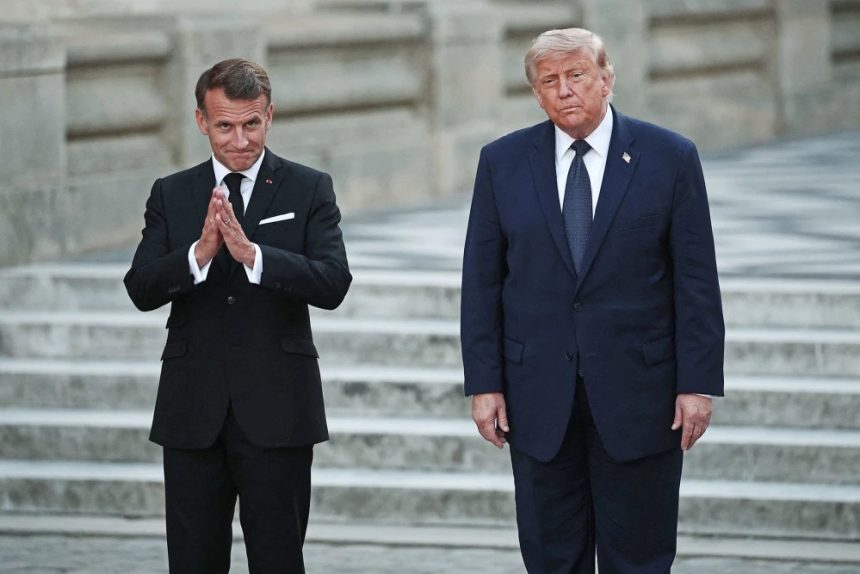
The uncertainty increased further when Trump and Iranian President Masoud Pezeshkian reportedly signed the agreement again during a dinner hosted by French President Emmanuel Macron at the Palace of Versailles. The unexpected development has left observers unsure whether additional ceremonies or negotiations will still take place.
The lack of clarity has become a recurring theme throughout the conflict, which began after military operations launched by the United States and Israel against Iran earlier this year. Since then, administration officials have presented varying explanations for the military campaign and differing expectations regarding its desired outcome.
Although leaders have referenced a ceasefire arrangement reached in April, both sides have continued military operations, raising concerns about the durability of any peace process.

The uncertainty surrounding the agreement comes at a politically sensitive time for the Trump administration, as rising fuel prices and the approaching midterm elections increase scrutiny of U.S. foreign policy decisions.
Several Republican lawmakers have also expressed reservations about the memorandum and its prospects for achieving a comprehensive settlement.
Senator Bill Cassidy of Louisiana criticised the agreement, describing it as a significant foreign policy mistake, while Senator John Kennedy questioned whether Iran could be trusted to abandon its nuclear ambitions.
Others have taken a more cautious approach. Senator Lindsey Graham said he believes the agreement could benefit the United States if it leads to the reopening of the Strait of Hormuz and a reduction in hostilities.
Vice President Vance has stated that a 60-day period for negotiating a broader peace agreement is already underway. However, uncertainty remains over whether key provisions have been implemented.
One major question involves the reopening of the Strait of Hormuz, a critical route for global energy shipments. The memorandum indicates commercial maritime traffic should resume immediately, yet officials took several hours to confirm that the waterway was operational.
Another unresolved issue concerns sanctions relief for Iran’s oil sector. The agreement reportedly calls for waivers allowing the export of Iranian crude oil and related financial transactions, but it remains unclear whether such measures have been formally enacted.
Fresh complications emerged this week after planned talks between U.S. and Iranian officials in Switzerland were thrown into doubt. Vice President Vance postponed his trip after new Israeli military operations in Lebanon raised concerns about regional stability.
According to diplomatic sources, Iran is seeking assurances that hostilities involving Lebanon will cease, in line with commitments outlined in the memorandum. Mediators are reportedly working to address the issue.
Intelligence assessments have also suggested that continued Israeli strikes against Hezbollah targets could threaten the fragile diplomatic progress, while Israeli Prime Minister Benjamin Netanyahu and members of his government have voiced criticism of the agreement.
Despite the challenges, President Trump has maintained a positive outlook, expressing confidence that the memorandum can serve as a foundation for a broader and more durable peace arrangement.
Speaking during a meeting with the Emir of Qatar in France, Trump said he believes negotiations are moving in the right direction and that the next phase of discussions could prove less difficult than expected.
As negotiations continue, uncertainty remains over whether the agreement can withstand regional tensions and deliver a lasting end to the conflict.