

RismadarVoice Reporters
September 27, 2026
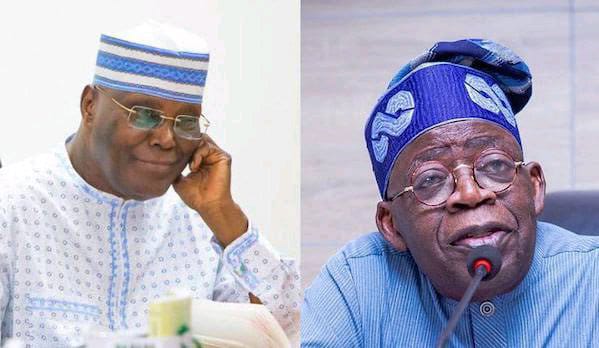
African Democratic Congress presidential candidate and former Vice President Atiku Abubakar has called on President Bola Tinubu to immediately increase Nigeria’s ₦70,000 national minimum wage, arguing that rising living costs have significantly eroded workers’ purchasing power.
Atiku made the call on Sunday in a statement issued by Phrank Shaibu, Director of Strategic Communications of the ADC Presidential Campaign Council.
He backed organised labour’s demand for a substantial wage increase, saying the current minimum wage no longer adequately reflects the cost of food, transportation, housing, fuel and other essential needs.
The former vice president argued that although the national minimum wage was increased from ₦30,000 to ₦70,000 in 2024, workers had experienced a significant decline in what their earnings could purchase.
Using petrol prices as an example, Atiku said that at ₦1,400 per litre, the entire ₦70,000 minimum wage would purchase only 50 litres of petrol.
“At ₦1,400 a litre, the entire ₦70,000 monthly minimum wage buys just 50 litres of petrol. What does the worker take home to feed the children? What pays the rent? What gets that worker back to work on Monday?” he said.
Atiku compared the situation with April 2023, when he said the national average petrol price stood at ₦254.06 per litre.

At that price, according to his calculation, the former ₦30,000 minimum wage could purchase approximately 118 litres of petrol, compared with about 50 litres obtainable with ₦70,000 at a petrol price of ₦1,400 per litre.
He argued that the comparison illustrated the decline in workers’ purchasing power despite the nominal increase in the minimum wage.
“The payslip has grown, but the fuel it can buy has more than halved,” Atiku said.
He also criticised the Tinubu administration’s handling of the removal of the petrol subsidy, arguing that adequate measures were not put in place beforehand to protect working families from higher costs.
According to him, increases in petrol prices have consequences beyond transportation because higher energy and logistics costs can affect food production, manufacturing and other household expenses.
Atiku called on the Federal Government to clearly state its position on organised labour’s demand for another wage increase rather than allow negotiations to continue without a definite outcome.
He maintained that any review of workers’ salaries should take prevailing economic conditions and the actual cost of living into consideration.

Atiku also said that if elected president in 2027, his administration would begin work on increasing the wage floor from its first day in office.
He said such an increase would be accompanied by measures aimed at reducing living costs, supporting domestic production and providing targeted social protection for vulnerable Nigerians.
The Federal Government increased the national minimum wage from ₦30,000 to ₦70,000 in July 2024 following negotiations with organised labour.
At the time, President Tinubu said the minimum wage would be reviewed after three years.
Atiku’s latest intervention adds to renewed debate over whether the current wage remains adequate amid increases in the prices of fuel, food, transportation, housing and other essential goods and services.