Micah Jonah
January 25, 2026
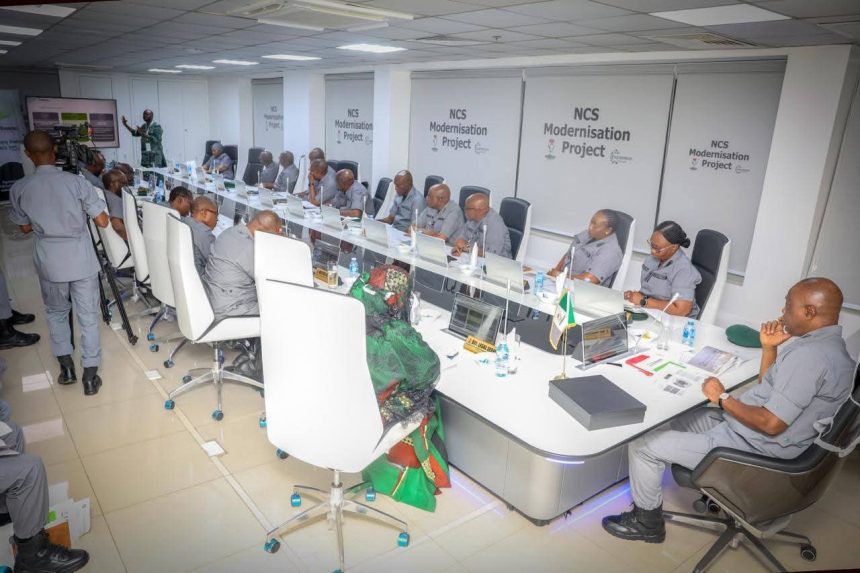
Nigeria Customs Service (NCS) has successfully concluded a high-level, two-day management workshop designed to accelerate trade facilitation reforms and enhance the ease of doing business across Nigeria. The training, organised in partnership with Reverso Business Services Limited, ran from January 22 to 23, 2026, and reinforced the Service’s commitment to digital modernisation and the removal of bureaucratic bottlenecks in trade corridors.
The workshop forms part of NCS’s broader reform agenda under the leadership of Comptroller-General of Customs, Adewale Adeniyi, aimed at strengthening institutional capacity, aligning operations with global best practices, positioning the Service as a key driver of Nigeria’s economic growth.
On the final day, senior officers engaged in discussions on emerging global trade trends, digital transformation, operational efficiency, adaptive strategies, and stakeholder collaboration, underlining NCS’s determination to remain responsive in a fast-changing trade environment.
Comptroller-General Adeniyi emphasized the dynamic nature of international trade, reaffirmed the Service’s proactive approach to reforms. “Our environment will continue to be very dynamic. What will not change, however, is Nigeria’s expectation that Customs will contribute meaningfully to economic prosperity, public health and national security,” he said.
Adeniyi challenged officers to uphold high professional standards, describing the Service’s transformation as a deliberate effort to become a reference Customs administration known for accountability, responsiveness, and performance.
Ayokunnu Ojeniyi, Founder and CEO of Reverso Business Services Limited, commended NCS for its openness to innovation and stressed the need for continuous change management. “If you don’t take change by the hand, it will seize you by the throat,” he warned, urging participants to apply lessons learned across their formations.
The workshop supports NCS’s ongoing modernization drive, including process automation, enhanced stakeholder engagement, and strategic partnerships aimed at improving service delivery, trade efficiency.