RismadarVoice Reporters
January 13, 2026
Nutritionists have cautioned parents against feeding children with excessive amounts of processed foods, warning that overreliance on packaged snacks, sugary meals and ultra-processed foods could predispose them to nutrition-related health problems.
They explained that many processed foods are high in sugar, salt and unhealthy fats, but low in essential nutrients required for proper growth, brain development and immunity. Regular consumption, they said, increases the risk of childhood obesity, weakened immunity and early-onset non-communicable diseases.
The warning comes amid growing concerns raised by the United Nations Children’s Fund (UNICEF) over the rapid transformation of children’s diets globally. In its December 2025 review on ultra-processed foods and children, UNICEF lamented that traditional meals are increasingly being replaced by diets dominated by ultra-processed foods.
According to the agency, ultra-processed foods are designed primarily to maximise profit rather than nourish children, combining sugars, fats, salt and additives that stimulate reward pathways in the brain and encourage overconsumption.
“Children and adolescents whose diets are high in ultra-processed foods face increased risks of overweight, obesity and related cardiometabolic conditions. These health consequences often persist into adulthood, leading to chronic diseases such as type 2 diabetes, cardiovascular disease and some cancers,” the review stated.
Speaking to newsmen, former President of the Nutrition Society of Nigeria, Prof. Wasiu Afolabi, said eating habits developed in childhood play a critical role in long-term health outcomes.
He urged parents to prioritize home-cooked meals prepared with fresh, locally sourced ingredients, rather than depending heavily on processed foods.
“Processed foods are industrially produced and often stripped of essential nutrients. Feeding children excessively with such foods will negatively impact their health in the long run,” Afolabi said.
He noted that while children naturally develop a preference for processed snacks, parents must consciously regulate their intake.
“Examples include breakfast cereals, biscuits, pastries, snacks and pasta. Children like these foods, but moderation is key. Excessive consumption can lead to unhealthy eating habits and obesity,” he added.
Afolabi advised parents to substitute processed foods with nutrient-dense options such as fruits, vegetables, meat and dairy products, stressing that exposure to excessive sugar-sweetened beverages and snacks at aand processed foods consistently, they are more likely to become overweight or obese, which are major risk factors for diabetes, cancer and cardiovascular diseases later in life,” he said.
He also encouraged parents to read nutrition labels when purchasing food and make informed choices based on protein, salt, fat, fibre and vitamin content.
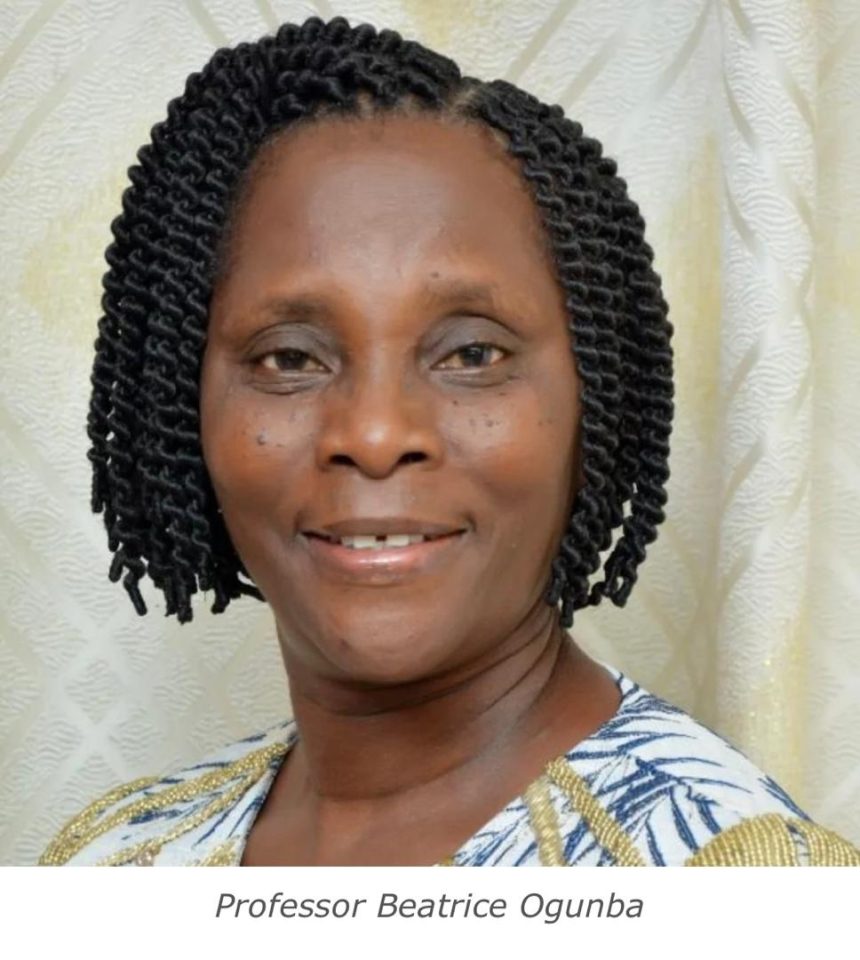
Corroborating his views, a Professor of Public Health Nutrition at Obafemi Awolowo University, Ile-Ife, Prof. Beatrice Ogunba, urged Nigerians to embrace homemade meals over processed options.
“Most processed foods lose some of their nutrients during production. For a healthy life, we must cut down on sugar, salt and fatty foods. Any food heavily laden with these should be avoided,” she said.