RismadarVoice Reporters
October 29, 2026
The Presidency has dismissed allegations of a plan to postpone Nigeria’s January 16, 2027 presidential election, after the African Democratic Congress (ADC) claimed the Federal Government intends to pressure the Independent National Electoral Commission (INEC) to change the timetable.
Minister of Information and National Orientation, Mohammed Idris, denied the allegation, calling it false and insisting the government was unaware of any proposal to shift the election.
The controversy followed a statement issued on Wednesday by the ADC Presidential Campaign Council’s Director of Strategic Communication, Phrank Shaibu.
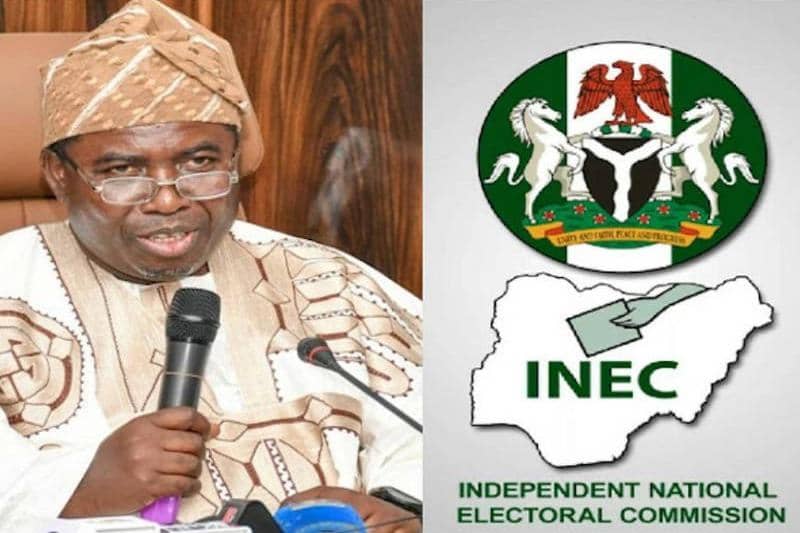
Shaibu alleged that INEC Chairman, Professor Joash Amupitan, could be summoned to the Presidential Villa and pressured to postpone the election, potentially using the Ebola outbreak as justification.
However, the campaign council did not provide evidence establishing that such a meeting had been scheduled or that any formal postponement proposal existed.
The ADC urged Amupitan to resist any attempt to influence the electoral timetable and publicly disclose any pressure from government officials.

The opposition party argued that the outbreak should be managed through appropriate public health measures rather than used to disrupt the electoral process.
It also cited comments by the Director-General of the Nigeria Centre for Disease Control and Prevention, Dr Jide Idris, indicating that the prevailing health situation did not warrant postponing the elections.
The party called on domestic and international election observers to scrutinise any proposed timetable changes and demand transparent justification.
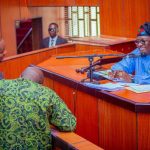
Meanwhile, the House of Representatives has directed Amupitan to appear before its Committee on Electoral Matters within seven legislative days to explain INEC’s preparedness for the 2027 general elections.
The resolution followed a motion sponsored by lawmakers Mansur Manu Soro and Abdussamad Dasuki during Wednesday’s plenary.
Lawmakers expressed concerns about challenges affecting Continuous Voter Registration, including inadequate equipment, personnel shortages, network difficulties and long waiting times.
The committee is expected to examine voter registration, Permanent Voter Card distribution, election logistics, technology deployment, personnel training, security arrangements and funding.

It will also assess preparations to prevent voters in areas affected by insecurity from being disenfranchised.
The House requested details of budgetary allocations, funds released and outstanding financial requirements that could affect election preparations.
INEC’s published timetable continues to list January 16, 2027, for the presidential and National Assembly elections, and February 6 for governorship and state assembly elections.
No independently verified evidence has emerged establishing a government decision to postpone the polls.